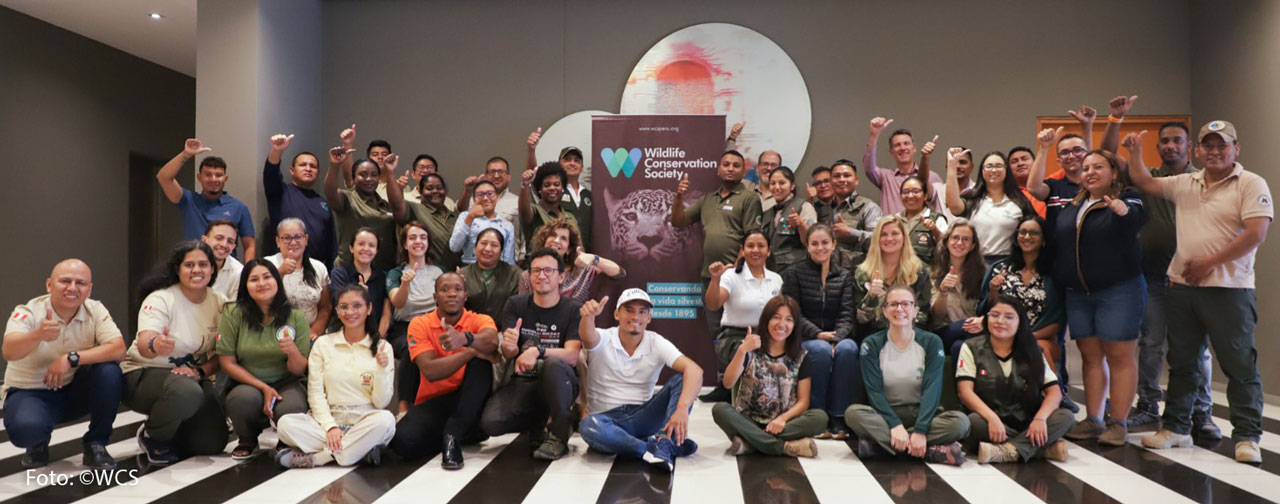
Lima, Peru, February 2026 — More than 30 park rangers from Bolivia, Brazil, Colombia, Guyana, Peru, and Suriname gathered in Lima to complete the final training and evaluation of the World Bank–led Amazon Sustainable Landscapes (ASL) Regional Park Rangers project. The innovative initiative seeks to strengthen skills to better equip rangers to respond to the complex and evolving challenges they face on the ground.
The gathering reaffirmed a shared regional commitment to strengthening the role of park rangers as key actors in conservation and sustainable protected area management—working alongside Indigenous communities and other partners—and underscored that protecting the Amazon depends on strong regional networks that connect rangers across borders. The initiative lays the groundwork for sustained collaboration among rangers working to conserve and protect the Amazon.
“Learning about the realities faced by park rangers from the Amazon countries, coming together, and sharing experiences has been deeply valuable,” said Deyvis Huamán Mendoza, Director of Territorial Management of Protected Areas for Peru’s SERNANP (Servicio Nacional de Áreas Naturales Protegidas por el Estado/National Service of Natural Protected Areas by the State). “Listening to colleagues who face similar challenges allows us to recognize one another and strengthen bonds that we hope will evolve into a regional community of practice.”
Over four days of in-person sessions, participants engaged in hands-on training, peer-to-peer exchange, and facilitated discussions aimed at strengthening effective communication. The program produced practical lessons from the field and helped set priorities for the next phase of regional capacity building.
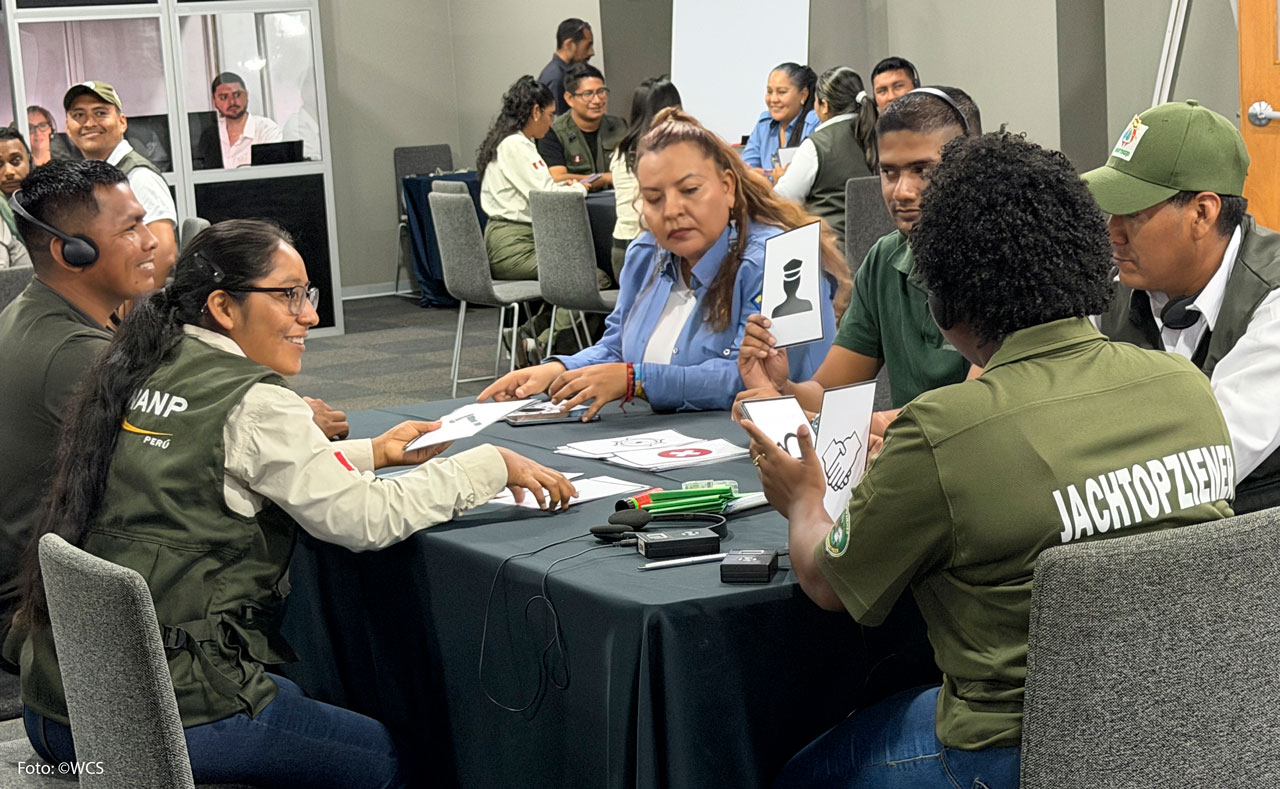
“Rangers are key to conservation and we thank the World Bank for its support of rangers,” said Dr. Matthew Linkie, Technical Director, WCS Andes–Amazon–Orinoco Program. “It was inspiring to see rangers connect in person and, for many, meet rangers from other Amazonian countries face to face for the first time.”
The meeting highlighted priorities for future training and stronger regional cooperation, emphasizing ranger networking and coordination to address shared threats, especially those posed by climate change, which presents both conservation and livelihood risks.
“I return to Guyana deeply grateful,” said Octavius Hendricks, park ranger from Guyana. “This meeting was a unique opportunity. I am taking back lessons I want to apply in the protected area I lead and will share these with my team because knowledge must circulate. Learning alongside colleagues from other Amazon countries was an invaluable experience.”
“For us, it was especially meaningful to see women park rangers from across the Amazon gathered in one space,” said Peruvian park ranger, Pamela Gutiérrez, who attended with fellow ranger Judith Pocomucha. Added Pocomucha, “In a sector that has historically been male-dominated, this meeting allowed us to recognize one another, share common challenges, and strengthen our professional confidence. That women were the majority in this training sends a clear message that change is possible.”
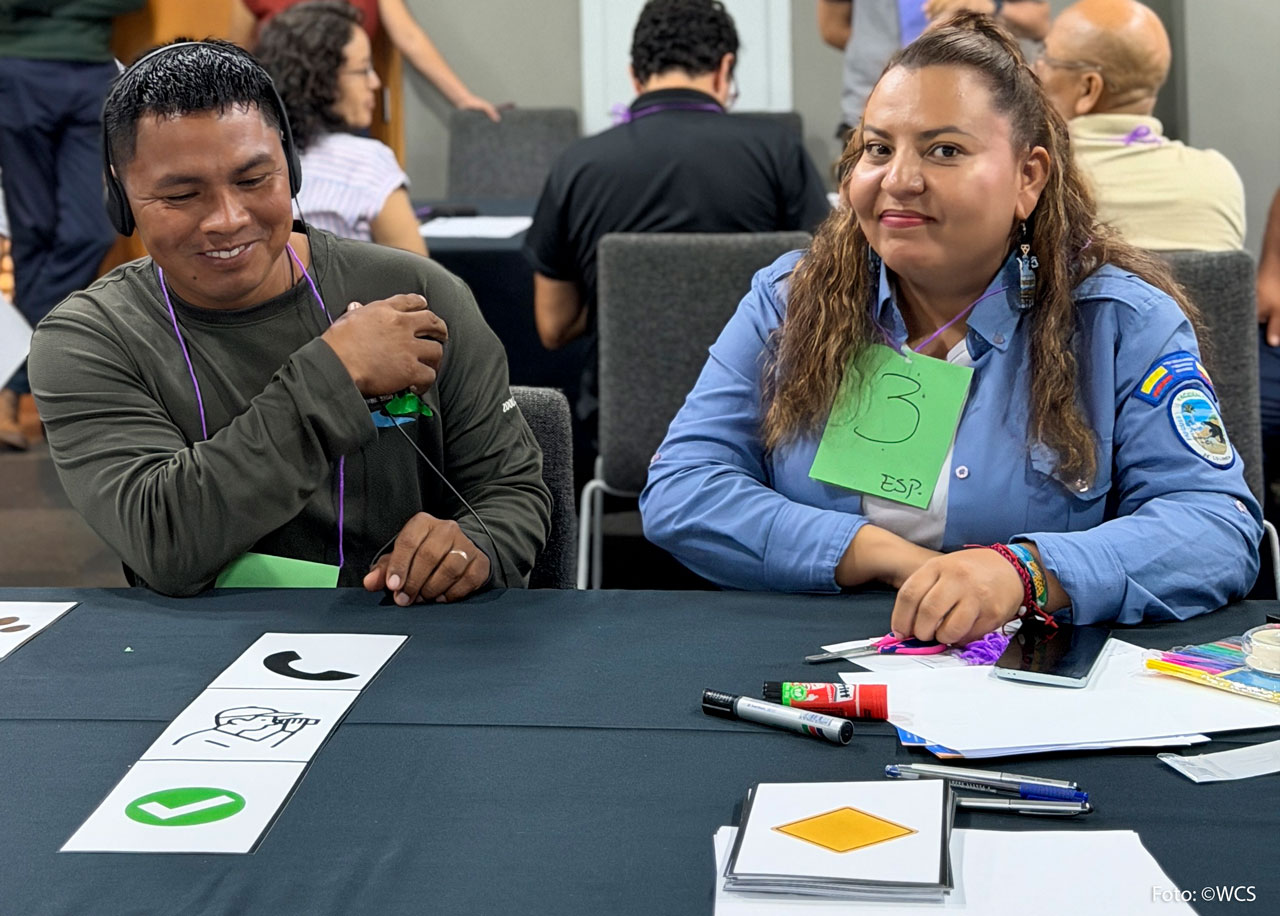
Through group discussions, the rangers stressed that having inclusive and productive teams is vital for protecting the Amazon and global climate, especially as escalating threats like intense fires place growing demands on their work.
This initiative is a key component of the ASL program, which is financed by the Global Environment Facility (GEF) and led by the World Bank. The ASL commissioned the Wildlife Conservation Society (WCS) to carry out this work, together with national authorities, the University for International Cooperation (UCI), and the World Wildlife Fund (WWF) Guianas Program.
###
Wildlife Conservation Society (WCS)
WCS combines the power of its zoos and an aquarium in New York City and a Global Conservation Program in more than 50 countries to achieve its mission to save wildlife and wild places. WCS runs the world’s largest conservation field program, protecting more than 50 percent of Earth’s known biodiversity; in partnership with governments, Indigenous People, Local Communities, and the private sector. Its four zoos and aquarium (the Bronx Zoo, Central Park Zoo, Queens Zoo, Prospect Park Zoo, and the New York Aquarium ) welcome more than 3.5 million visitors each year, inspiring generations to care for nature. Visit: newsroom.wcs.org. Follow: @WCSNewsroom. For more information: +1 (347) 840-1242. Listen to the WCS Wild Audio podcast HERE.