In its fourth phase, after consolidating more than a decade of work across the Colombian departments of Santander, Antioquia, Cesar, Vichada, Arauca, and Putumayo, the Proyecto Vida Silvestre (PVS) is expanding into Casanare, in Colombia’s Orinoco region. Through 2028, the project will focus on conserving landscape species—such as the puma and a striped catfish found in the Cusiana River—while strengthening conservation agreements, restoring forests, and working alongside local communities. By empowering residents to steward their lands, monitor wildlife, and lead conservation efforts, PVS aims to ensure that biodiversity protection is driven by the people who know these landscapes best.
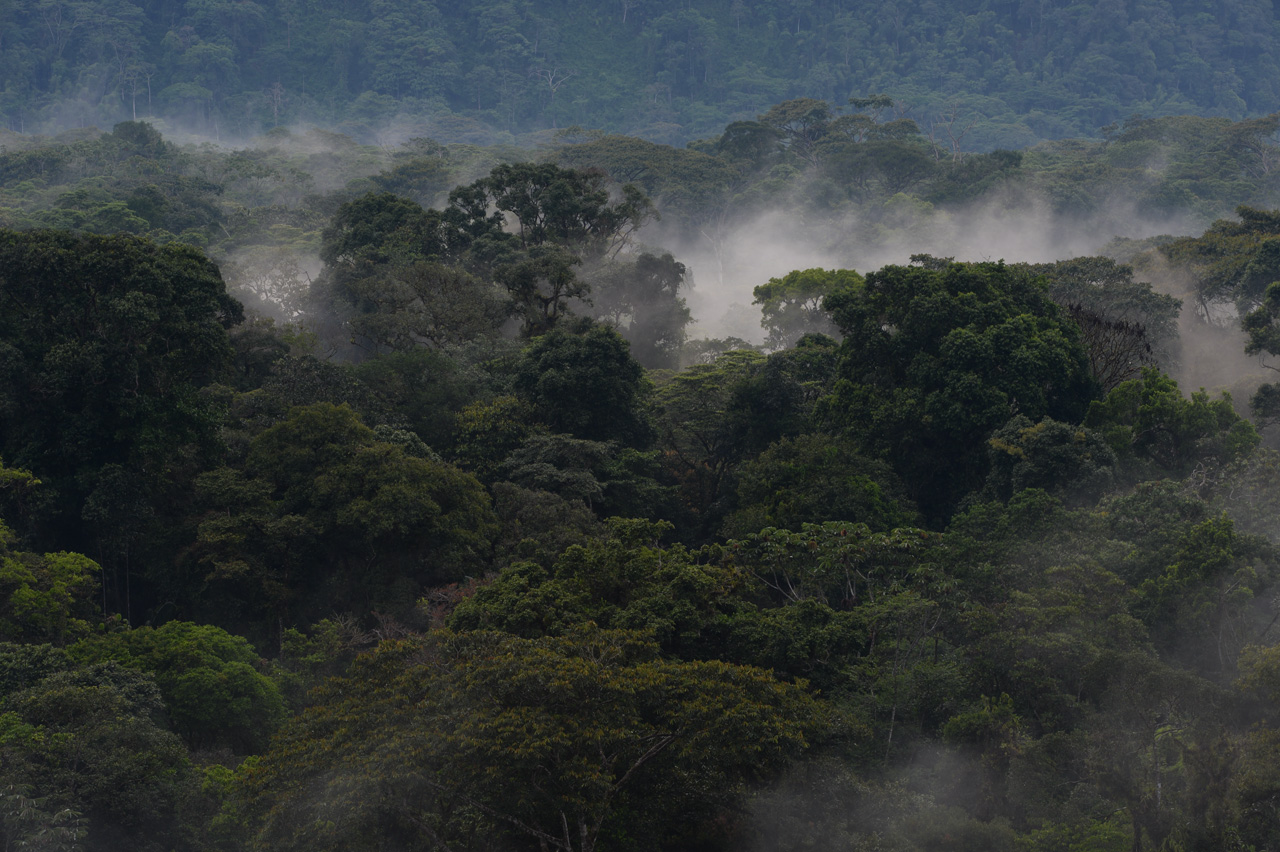 Photo: "EL PATO" Salcedo / WCS Colombia
Viviana Sierra still remembers the day in 2024 when her young daughter found herself face to face with a jaguar wandering through their farm in the rural community of El Líbano, in the municipality of Orito, Putumayo. Frightened, the girl could describe the animal only as “a big cat.” Suddenly, it all made sense: the family’s dog had been barking relentlessly for a reason.
For Viviana, the encounter marked a turning point. It not only explained why some of her chickens had been turning up dead, but also convinced her that it was time to better manage her land and reduce the risk of future conflicts with wildlife.
Since 2014, the Proyecto Vida Silvestre (PVS)—a partnership between Ecopetrol, Fondo Acción, and WCS Colombia—has worked to conserve biodiversity while improving the well-being of local communities across three regions of Colombia: the Magdalena Medio, the Eastern Plains, and the Andean-Amazon foothills of Putumayo.
Working alongside Viviana Sierra and her husband, Gustavo Revelo, the project provided technical guidance to help them better manage their farm. Among other improvements, they built a predator-proof enclosure that now keeps their livestock and poultry safe, reducing the risk of attacks by jaguars and other wildlife.
In return—and without resentment or a desire for retaliation—Viviana and Gustavo committed to setting aside five of their ten hectares for conservation and restoring part of the jaguar’s natural habitat. Their goal was to ensure that, at least in their part of the landscape, jaguars could move freely, find natural prey, and avoid encounters with people.
Over the years, PVS has implemented many similar initiatives, focusing on the conservation of 15 landscape species of plants and animals. These are species that depend on large, connected habitats and whose protection also benefits many other species that share the same ecosystems. Some are threatened, while others are ecologically or culturally important to local communities.
By protecting these landscape species, PVS helps conserve biodiversity across strategically important landscapes while supporting sustainable livelihoods for the people who depend on them.
Like Viviana’s family, 115 other families have signed conservation agreements, committing to protect wildlife and conserve the natural resources on which both people and biodiversity depend.
A New Chapter
More than a decade after its launch, the Proyecto Vida Silvestre (PVS) is entering a new phase that expands both its geographic reach and its conservation efforts. While continuing to strengthen the public-private partnership that has supported biodiversity conservation across three regions of Colombia, the project is also expanding into new landscapes.
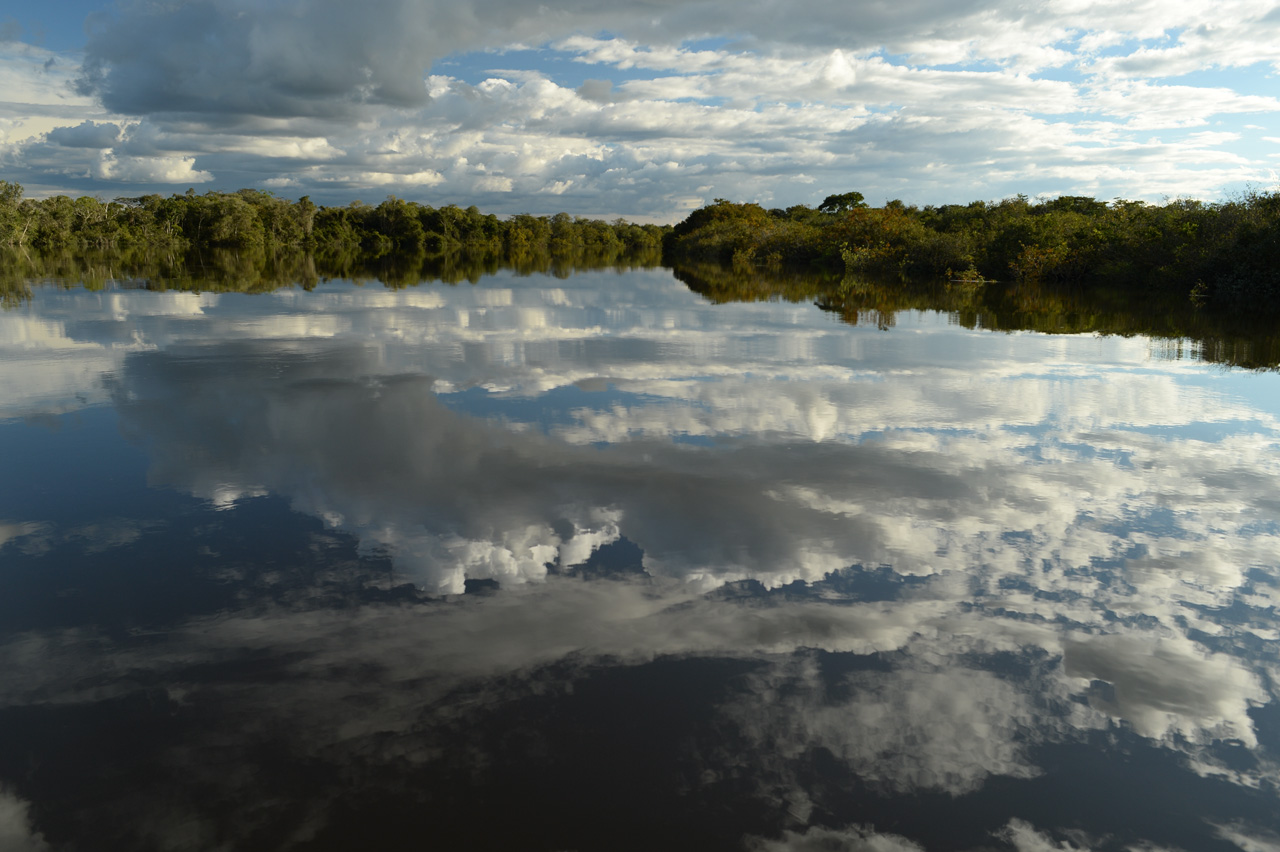 Photo: "EL PATO" Salcedo / WCS Colombia
The project’s fourth phase, which began in 2026 and will run through the end of 2028, marks a strategic transition. PVS is gradually reducing its direct involvement in parts of Colombia’s Orinoco region—including the Bita River basin in Puerto Carreño, Nueva Antioquia in Vichada, and the rural community of La Virgen in Cravo Norte, Arauca—where it has supported conservation of species such as the lowland tapir (Tapirus terrestris) and the giant South American river turtle (Podocnemis expansa).
“The idea is to allow communities to build on what they have achieved and continue leading conservation efforts on their own,” says Leonor Valenzuela, Analysis and Synthesis Coordinator at WCS Colombia. “In these areas, local people have shown they are fully capable of managing their own conservation initiatives.”
Although PVS will scale back its field activities in these landscapes, it will continue providing technical support and guidance. From this stage onward, community-based conservation efforts will be led by Fundación Orinoquia Biodiversa (FOB).
At the same time, the project is expanding into a new landscape in the department of Casanare, within Colombia’s Orinoco region. Covering more than 60,000 hectares across the foothills surrounding Yopal, Aguazul, and Tauramena, part of this conservation landscape extends to the border between the departments of Casanare and Boyacá.
Why Casanare?
The choice was far from arbitrary. Casanare’s Andean foothills bring together many of the conditions that have guided the Proyecto Vida Silvestre (PVS) from the beginning: exceptional biodiversity, extensive tracts of connected forest, species under increasing pressure, communities committed to conservation, and one of Colombia’s most important ecological corridors linking the Andes to the Orinoco region.
The landscape stretches from just over 900 to nearly 1,900 meters (3,000–6,200 feet) above sea level. Steep slopes, rivers such as the Caja and the Cusiana—which eventually flows into the Meta River—and vast forested areas define the region, alongside a cultural identity shaped by both the traditions of the llanos and neighboring Boyacá.
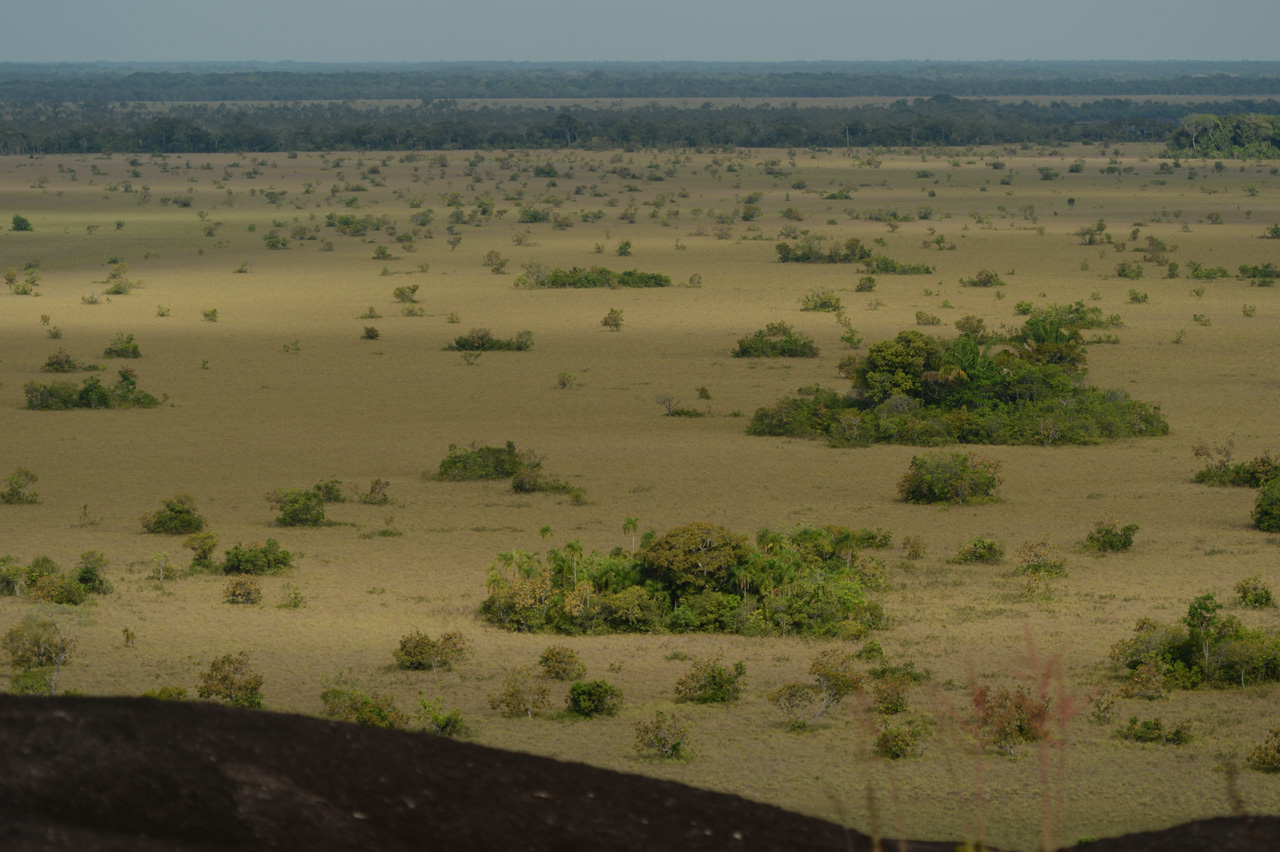 Photo: "EL PATO" Salcedo / WCS Colombia
For Mara Contreras, PVS Landscape Lead for Casanare, the region presents both opportunities and challenges. Its rugged geography makes fieldwork more complex, but it also offers the chance to work in a priority conservation landscape that supports a remarkable diversity of wildlife, including Brachyplatystoma platynemum, a striped catfish native to the Cusiana River that plays an important role in local fisheries and livelihoods.
The landscape is also home to the San Miguel de Los Farallones Regional Natural Park and La Tablona Regional Natural Park. The latter protects the La Tablona watershed, which supplies drinking water to the city of Yopal. Together, these protected areas could become the foundation of new biological corridors designed to reconnect forests fragmented by deforestation.
To prepare for this new phase, PVS carried out biological assessments and socioeconomic studies to better understand both the area’s biodiversity and the communities that depend on it. The work was led by WCS biologists with support from the organization’s Science Program.
Based on those assessments, the project identified five landscape species that will guide conservation planning in partnership with local communities. Among them are several tree species in the laurel family (Lauraceae), whose populations have declined because of unsustainable harvesting, as well as mammals such as the paca and the agouti, which are often hunted after damaging crops including sugarcane.
The puma (Puma concolor) was selected as the project’s umbrella species. Although conflicts between people and pumas remain relatively uncommon in the area, protecting the species and restoring its habitat is expected to benefit many other plants and animals that share the same ecosystems.
The next step will be to identify local organizations that will partner with PVS to conserve these species and their habitats. Together, they will promote conservation agreements with landowners and other local stakeholders while implementing the project’s broader conservation strategy.
Lorena Ortiz, a biologist and environmental management specialist who provides technical support to PVS on behalf of Ecopetrol, says the decision to expand into Casanare was closely aligned with the company’s long-term presence in the region.
Ecopetrol operates the Cusiana and Cupiagua oil and natural gas fields in Casanare and continues exploring new reserves, including the Recetor West field, developed following discoveries at the Liria YW12 exploration well.
“Ecopetrol has a number of mandatory environmental obligations,” Ortiz says. “Through the Proyecto Vida Silvestre, however, we’re also investing in voluntary conservation actions that strengthen relationships with local communities through ecological restoration and sustainable livelihood opportunities.”
Ecological Restoration and Conservation Agreements in the Magdalena Medio
While PVS is just beginning its work in Casanare, the project has spent more than a decade restoring ecological connectivity in Colombia’s Magdalena Medio—one of the country’s most heavily transformed landscapes.
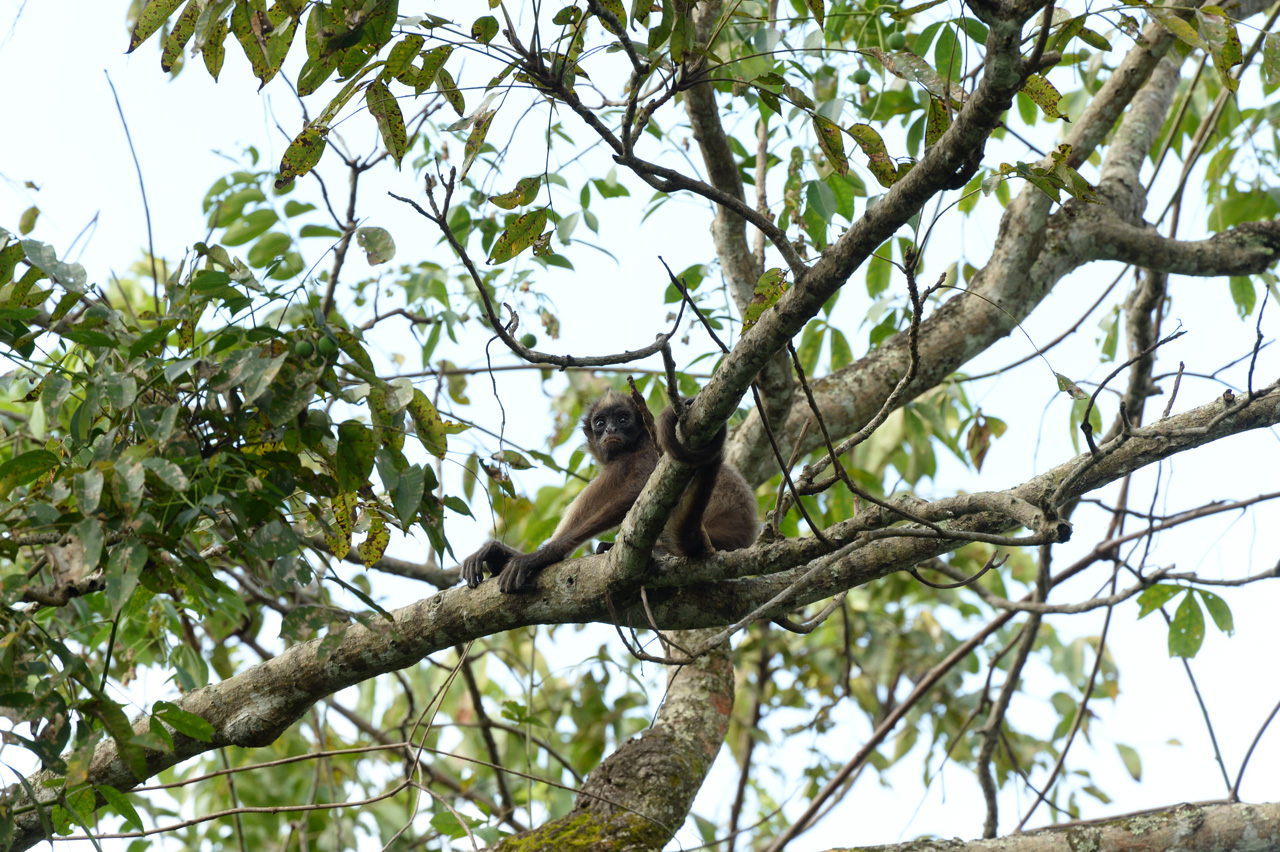 Photo: "EL PATO" Salcedo / WCS Colombia
Covering the municipalities of Barrancabermeja, Puerto Parra, and Cimitarra in Santander, as well as Yondó in Antioquia, this landscape focuses on protecting species such as the West Indian manatee (Trichechus manatus), the critically endangered brown spider monkey (Ateles hybridus), the Magdalena striped catfish, the blue-billed curassow (Crax alberti), and several threatened tree species.
Over the years, the project has signed 46 conservation agreements with local landowners, protecting more than 5,700 hectares (14,000 acres) of forest—roughly 40% of all conservation agreements established through PVS nationwide.
Restoration efforts have included planting more than 47,000 native trees, establishing three community nurseries, and improving habitat for at least 18 threatened wildlife species. According to project estimates, these actions have prevented more than 75% of the forest loss that could otherwise have occurred in the area.
The Magdalena Medio landscape has also become the project’s main hub for climate-focused initiatives. Through silvopastoral systems, fodder banks, biodigesters, and improved livestock water systems, PVS is helping reduce greenhouse gas emissions while supporting more sustainable agricultural production.
Beyond ecological restoration, the project has strengthened local leadership by supporting 25 community organizations, providing environmental training to 545 people, and engaging nearly 400 community members in biodiversity monitoring programs focused on species such as river turtles and the West Indian manatee. Another 398 fishers have adopted sustainable fishing practices for commercially important species, including the Magdalena striped catfish and bocachico.
Together, these efforts are restoring forests and wetlands, reconnecting fragmented habitats, and promoting production systems that allow biodiversity conservation and rural livelihoods to coexist.
According to Leonor Valenzuela, Analysis and Synthesis Coordinator at WCS Colombia, conservation actions implemented through PVS have expanded suitable habitat for both the blue-billed curassow and the brown spider monkey by 30% to 60%. The project’s next goal is to replicate these approaches in new areas across the landscape.
Particular attention has been given to recovering populations of the threatened Magdalena striped catfish and the West Indian manatee. To support both species, PVS has combined long-term population monitoring with wetland conservation, environmental education, and close collaboration with fishing communities to reduce the pressures they face.
“For the Magdalena striped catfish, we’re now looking to expand this conservation model into sections of the Sogamoso River and engage new communities,” Valenzuela says. “The idea is to gradually reduce our level of intervention where conservation efforts are already well established so we can extend the same approach to other parts of the landscape.”
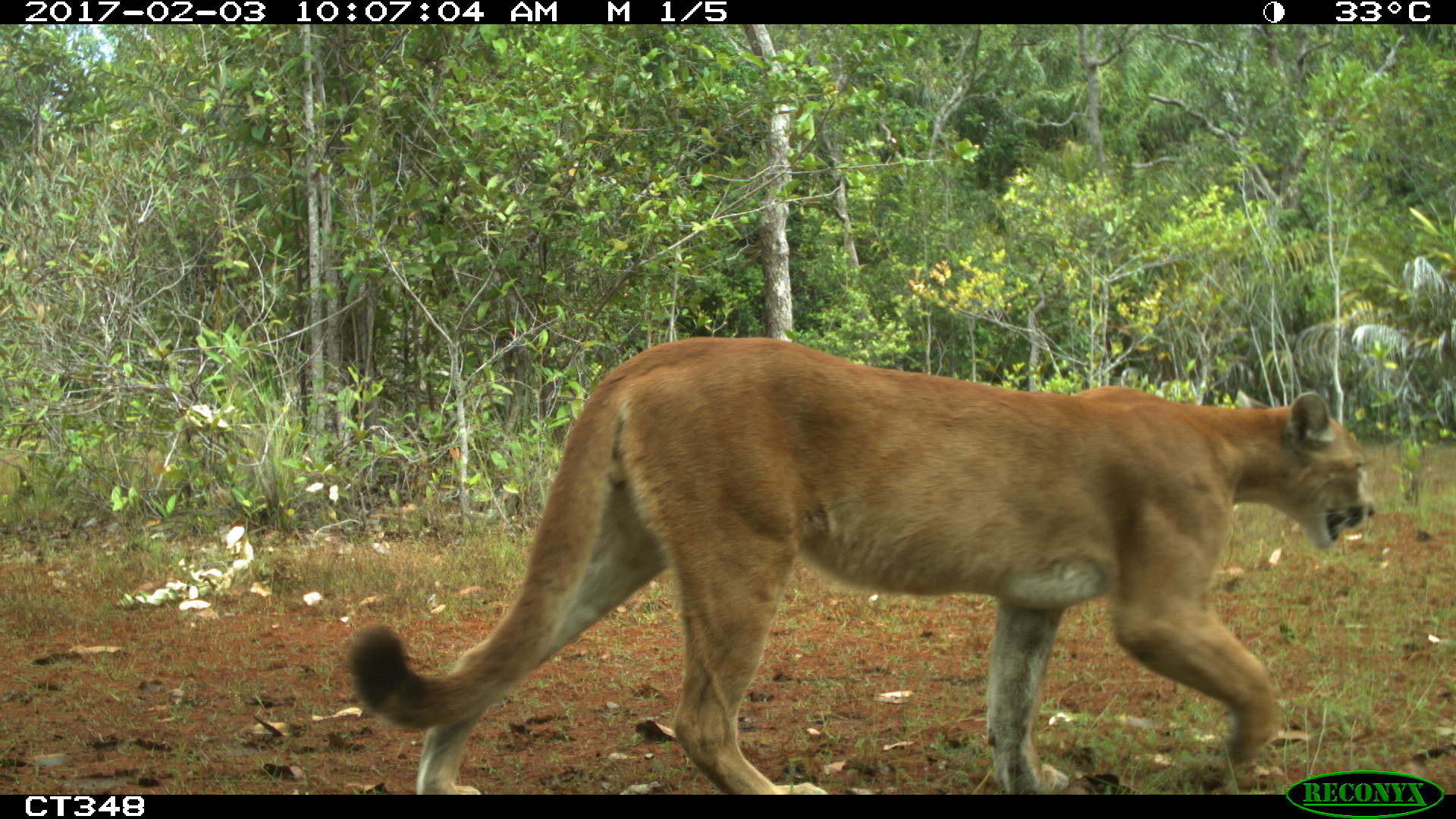 Photo: Proyecto Vida Silvestre
The project has also expanded wildlife monitoring through an extensive camera-trap network, documenting iconic mammals such as jaguars (Panthera onca), pumas (Puma concolor), ocelots (Leopardus pardalis), and lowland tapirs (Tapirus terrestris), whose presence provides evidence of improving forest conditions.
According to María Antonia Espitia, PVS Landscape Lead for Magdalena Medio, restoration efforts will continue alongside new initiatives promoting beekeeping in Yondó, sustainable cattle ranching, and the expansion of conservation work into priority wetlands in Puerto Wilches and Sabana de Torres.
“One of our priorities during this new phase is to continue strengthening community-based monitoring of river turtles, the Magdalena striped catfish, and the West Indian manatee,” Espitia says. “Communities have also proposed establishing a seasonal fishing closure for bocachico to allow populations to recover, and that measure could be approved soon.”
PVS will also strengthen the region’s Manatee Stranding Network, recognizing that increasingly frequent droughts associated with El Niño may leave wetlands more vulnerable and increase the number of stranded animals. Environmental education programs in schools and community organizations will also continue to expand.
Children and the Vida Silvestre Project
For Natalia Ucros, Childhood Program Coordinator at Fondo Acción, conservation must also be intergenerational.
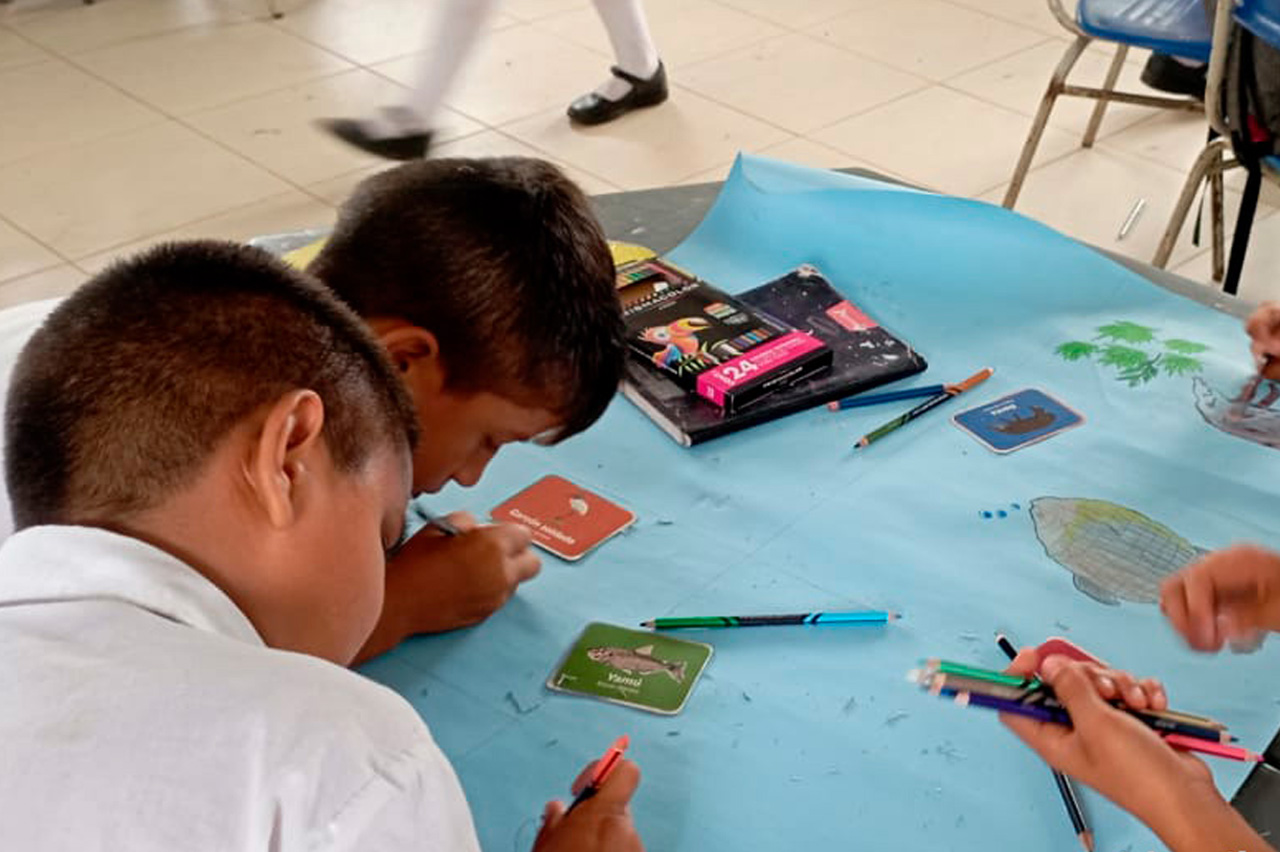 Photo: Proyecto Vida Silvestre
During this new phase, Fondo Acción will focus its efforts on the Magdalena Medio, working to ensure that every child has the opportunity to grow up in a healthy environment while making children’s participation a core component of PVS’s conservation work.
“We want the children who have grown up alongside this project to become active participants in conservation,” Ucros says. “Through environmental education, we’re showing that intergenerational conservation is possible—young people can take part in biodiversity monitoring, share their perspectives and priorities, and become ambassadors for conservation within their own communities.”
As part of this effort, Fondo Acción will strengthen two local conservation organizations by helping them integrate meaningful child participation into their work. The goal is to transfer its Conecta Conserva environmental education methodology to local partners, encouraging greater involvement of children and adolescents in conservation initiatives.
“Based on what we learned during the project’s third phase, we’ve seen that organizations adopting this approach also strengthen their own capacity,” Ucros explains. “Long-term conservation isn’t possible without an intergenerational perspective—one that recognizes children not only as future stewards of nature, but as people who already have the right and the ability to contribute today.”
Community Nurseries in Putumayo
This vision is already taking shape in El Líbano, the rural community in Putumayo where this story began and where Fondo Acción first launched its work through the Proyecto Vida Silvestre (PVS).
More than 650 people have participated in project activities, receiving training in sustainable production, environmental education, and community leadership. Children, young people, and adults have taken part in biodiversity monitoring, ecological restoration, and hands-on learning, helping build a network of local conservation leaders who understand that protecting nature depends as much on everyday decisions as it does on institutions.
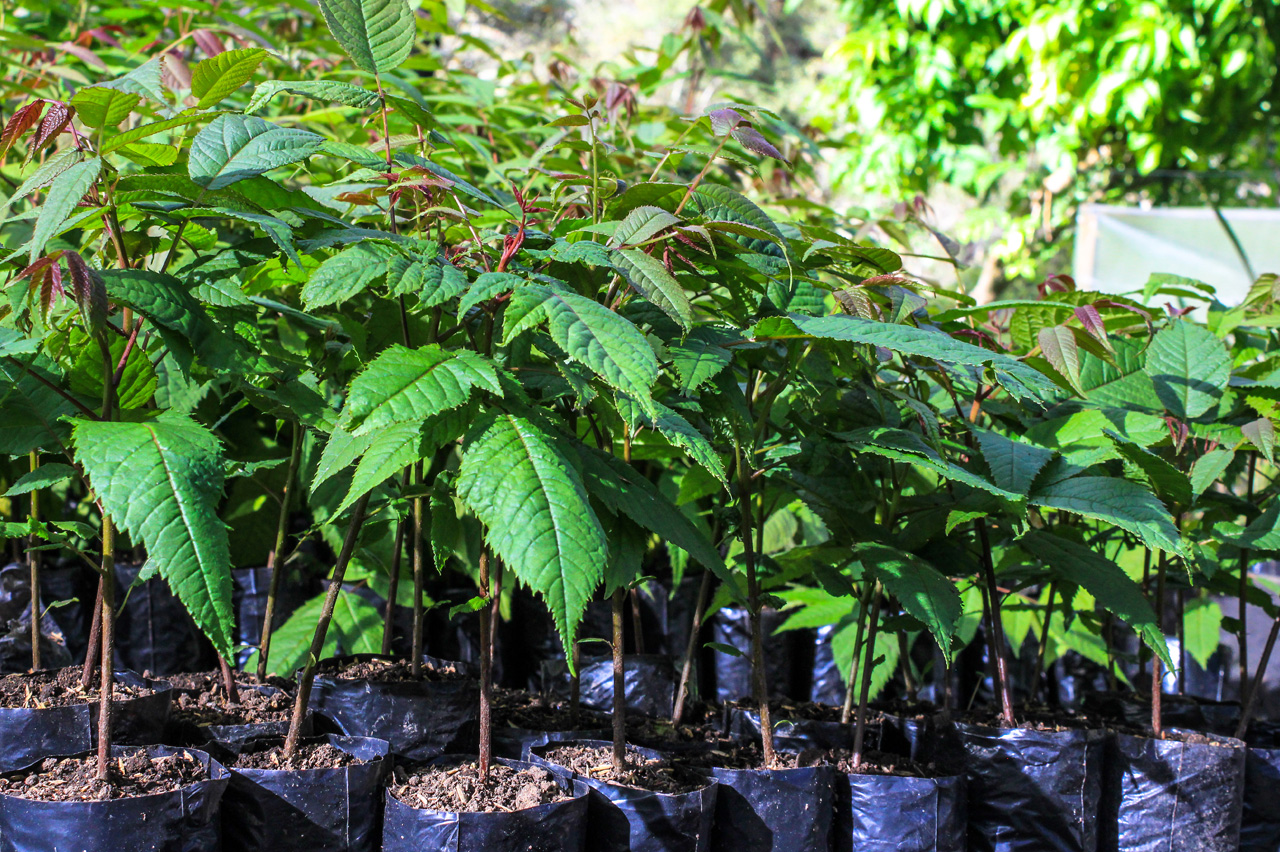 Photo: "EL PATO" Salcedo / WCS Colombia
In this Andean-Amazon landscape, 34 conservation agreements have been signed—nearly one-third of all agreements established through PVS. Together, participating families have committed to protecting more than 820 hectares (2,000 acres) of forest while restoring nearly 15 hectares (37 acres) of degraded ecosystems.
Those efforts have been supported by the planting of more than 22,600 native trees and the strengthening of two community nurseries that now provide seedlings for restoration projects and help reconnect forest corridors used by jaguars, pumas, and countless other forest species.
PVS has also supported 28 sustainable livelihood initiatives across 18 farms, primarily through cocoa and coffee agroforestry systems that improve household incomes while helping communities adapt to climate change.
Today, Putumayo is the PVS landscape supporting the greatest number of threatened wildlife species—40 in total—demonstrating how restoring forests also strengthens biodiversity. According to the project team, those achievements would not have been possible without strong local organizations and community leadership.
For Jahel García de la Hoz, PVS Landscape Lead for Putumayo, that community ownership is the project’s greatest strength.
“Both local residents and the PVS team have learned that conserving wildlife only makes sense when it’s done together with the people who share the landscape with these species,” she says.
That is why, when Viviana Sierra remembers the day her daughter came face to face with a jaguar, she no longer speaks only about fear. She speaks about the animal that changed the way she sees the forest—one she is now determined to help protect.
Looking ahead, PVS will expand its work to two neighboring communities—Campobello and La Silvania, both in the municipality of Orito. Wildlife monitoring, ecological restoration, and coexistence strategies for wild cats will be supported by the two existing community nurseries. The project will also establish a field school for organic agriculture and strengthen Ecolíbano, a community-led initiative that has developed a local waste collection system.
The expansion also creates new opportunities to work with Nueva Silvania Educational Institution, whose students come from several surrounding communities. The school already has an Eco-Club and a nature trail, and PVS will support the further development of its Environmental Education Project (PRAE).
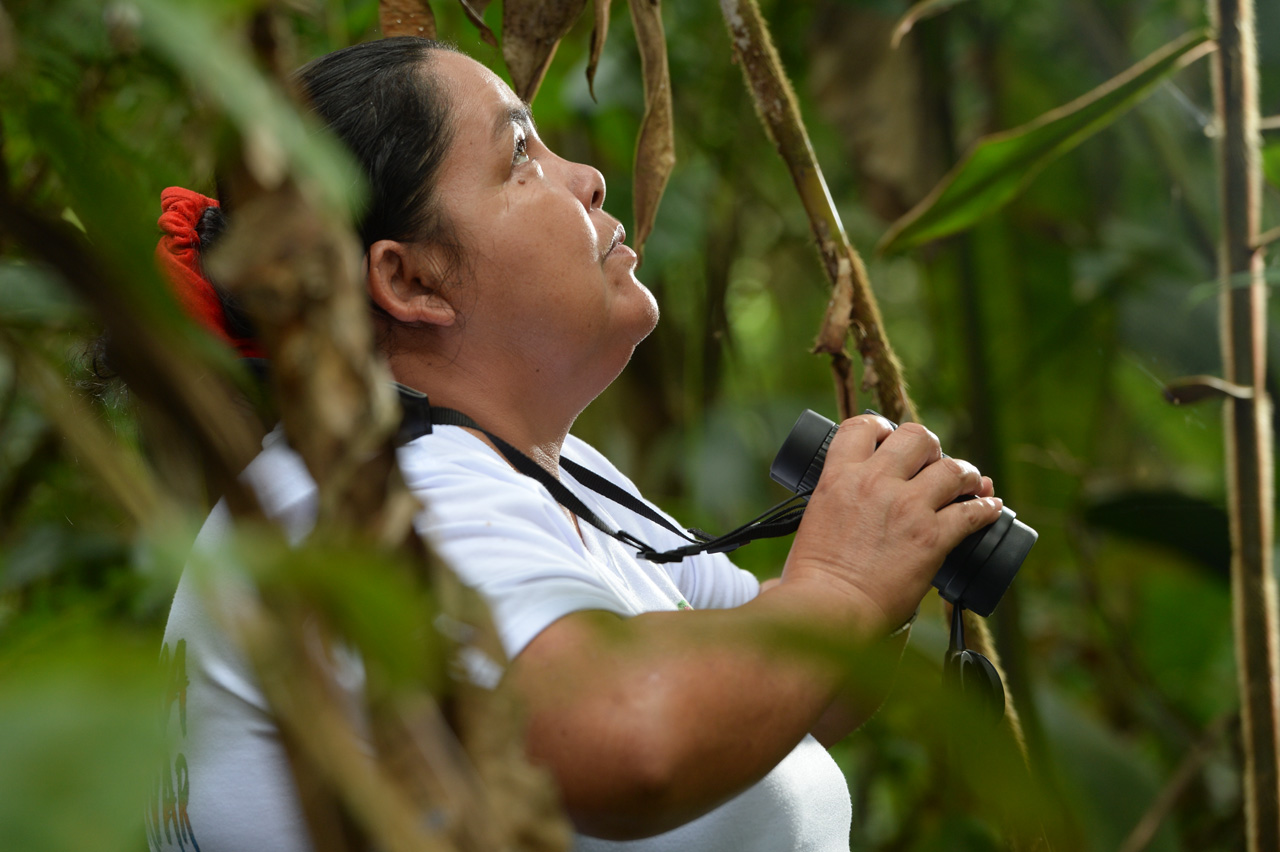 Photo: "EL PATO" Salcedo / WCS Colombia
Community organizations will play a central role as well. The Gallito de Roca Collective and the Women’s Collective for the Protection of the Woolly Monkey, both created in El Líbano, will help share their experience with the new communities joining the project.
After more than a decade of conservation achievements, the Proyecto Vida Silvestre is entering a new chapter. Its challenge is no longer only to protect species, but to help more communities recognize biodiversity as the foundation for a more sustainable future—one they can build themselves.