Residents of Colombia’s Middle Magdalena and Valle del Cauca regions are part of seven Energy Communities (ECs) that are beginning to see economic and environmental benefits from solar power. They are using this renewable energy to produce and sell ice, pump drinking water from underground, improve services at ecotourism lodges, reduce electricity costs, and even support small-scale fishing.
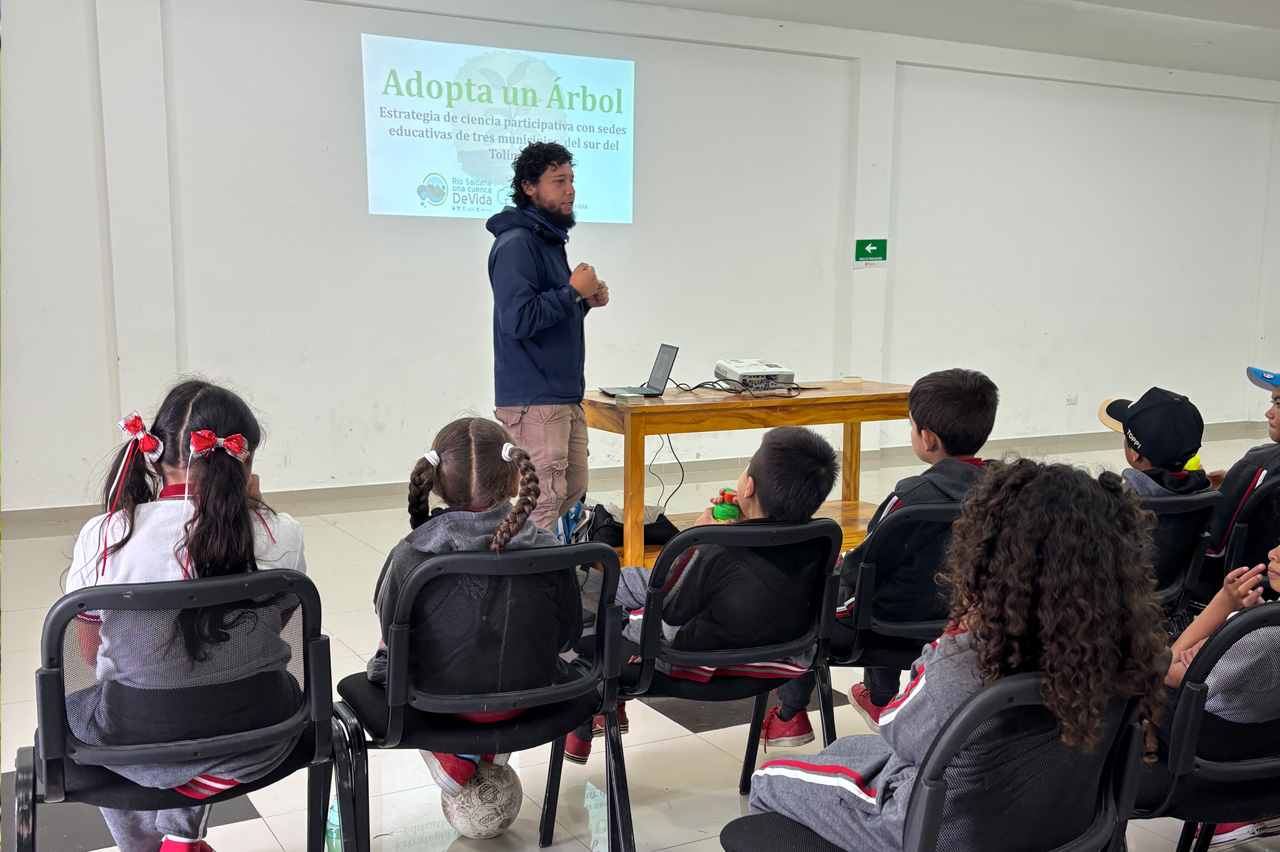 Photo: Yelsin Salgado / WCS Colombia
By Javier Silva
Fishermen from Bocas del Carare, as well as those who travel there from Barrancabermeja or San Rafael de Chucurí, know the importance of carrying ice in their canoes. The village, part of Puerto Parra in Santander, sits along the Magdalena River.
Ice is not a luxury. Stored among oars and fishing gear, it can make the difference between a catch spoiling and remaining fresh during long fishing trips. These are days—and sometimes nights—when cast nets stay in the water for hours as fishermen work to fill their boats with catfish, dorado, or bocachico.
In a region where temperatures can exceed 40°C in the shade, electricity is unreliable and outages can last more than three days. Under these conditions, refrigeration becomes essential.
Sorani Gil saw an opportunity in this challenge. Providing refrigeration, she realized, could also generate income.
As a member of the Association of Women Entrepreneurs of Bocas del Carare (Asomucare), she and her colleagues are now producing the ice that is in such high demand among local residents.
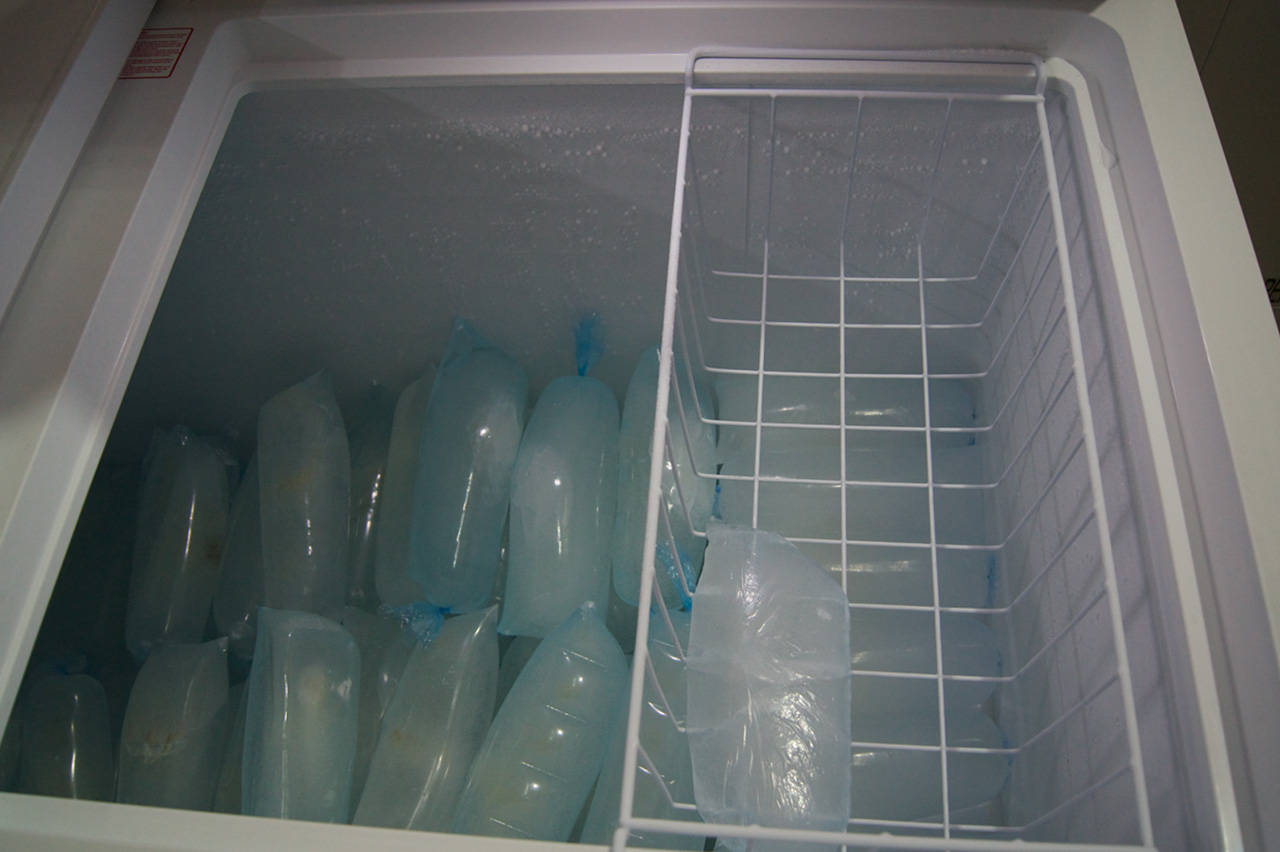 Photo: Yelsin Salgado / WCS Colombia
Solar panels installed on the roof of the organization’s headquarters power two refrigerators that provide several services. Ice is among the most popular products and often sells out quickly.
“But we also rent out refrigeration space by the hour for meat, chicken, or fish. People come here to charge their flashlights, laptops, or cell phones, and they also buy ice cream or bolis,” Sorani says.
The same solar system powers lights and appliances in the bakery and restaurant also managed by Asomucare.
This new source of income is part of a broader initiative. Sorani and her colleagues make up an Energy Community they named Asomucare Ecoenergético. The solar equipment has also reduced the organization’s monthly electricity bill to almost zero.
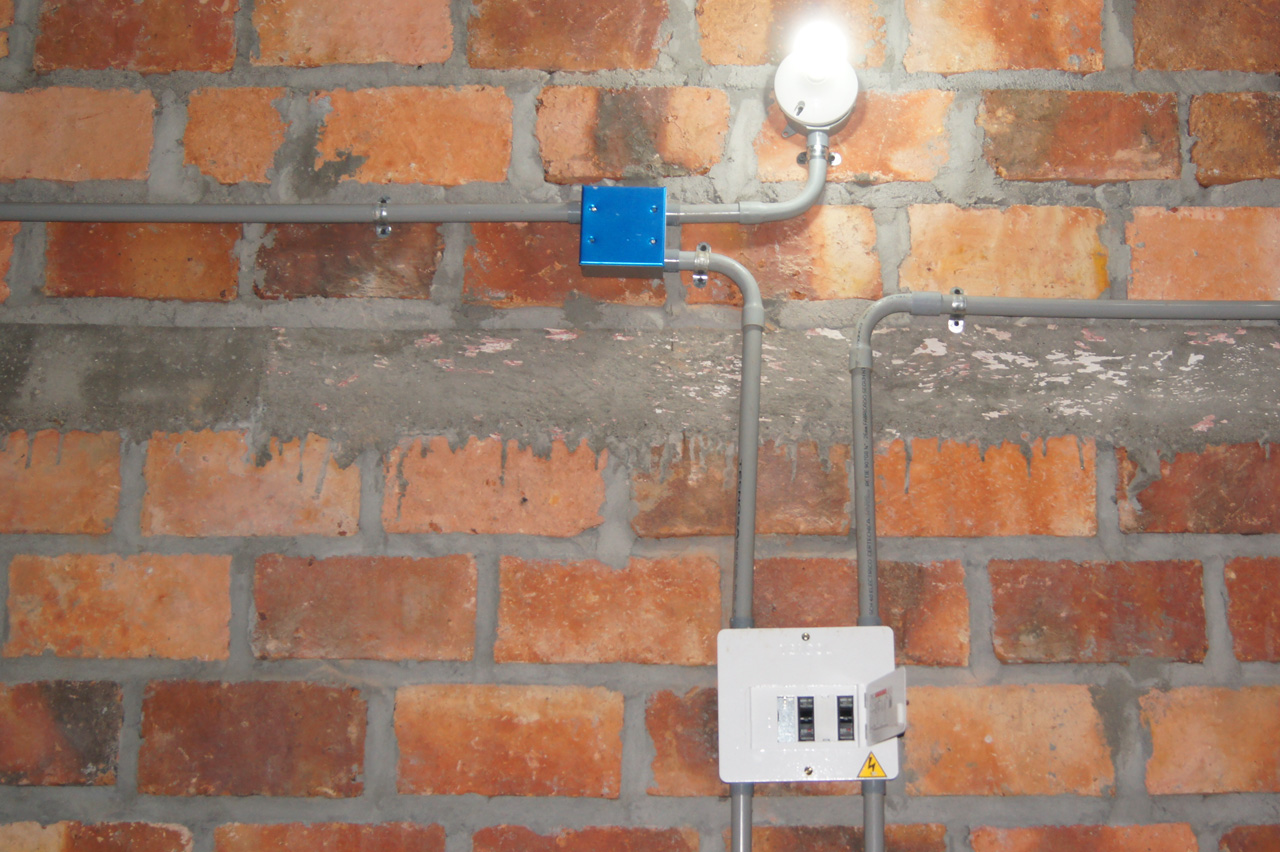 Photo: Yelsin Salgado / WCS Colombia
Where they once paid between 120,000 and 180,000 Colombian pesos per month, they now pay about 8,000. Solar energy is easing costs while creating new economic opportunities for the group of women.
This transformation is also the result of work by Proyecto Vida Silvestre (PVS)*. In addition to supporting the creation of Asomucare Ecoenergético, the project helped establish five other Energy Communities in the Middle Magdalena region and another in Valle del Cauca.
How the Energy Communities Came About
Energy Communities bring people together to generate renewable energy collectively. They can use that energy to support existing businesses and productive activities, helping increase household or community income—as Sorani and her colleagues do—or generate electricity to sell to the grid.
The Energy Community model was established in Colombia by the national government through Decree 2236 of 2023, which set out requirements and operating guidelines. Additional regulations have been issued since then, some of which are still being refined.
While the regulatory framework was taking shape, PVS was already working with communities on the ground. In December 2023, a WCS team completed a study identifying and prioritizing potential Energy Communities, assessing 16 community groups.
That same year, potential participants were selected. Throughout 2024, PVS worked with them to define objectives and provided training on governance, technical issues, and sustainability.
 Photo: Yelsin Salgado / WCS Colombia
The Energy Communities developed through PVS are now using solar panels and standalone photovoltaic systems to support a range of local businesses and services.
In Puerto Parra, Ecomacías is led by eight women entrepreneurs from La Sierra. Amigos de la Ciénaga, based in Ciénaga de Chucurí, uses photovoltaic systems to power three homes as well as biodigesters, refrigerators, freezers, and a solar-powered water pump.
Ecoenergías del Carare uses photovoltaic energy to pump drinking water from underground, with a capacity of 50 cubic meters per day. The water supplies a local system serving 170 families in Bocas del Carare.
Brisas del Río Magdalena benefits 150 fishermen and their families, while Ecoenergía Pescomagda brings together 21 fishermen. Both are based in Barrancabermeja and focus primarily on refrigeration for food preservation. In some cases, solar power also provides an alternative to costly cooking gas.
The seventh PVS Energy Community is Farallones de Vida, which brings together nature tourism ventures operating in La Leonera, Felidia, and La Elvira, rural areas of Cali near Farallones de Cali National Natural Park. The participating initiatives are Bichacue Yath, Finca Elphaba, Essence Life, Reserva Natural Los Yarumos, Pénjamo, and Reserva Natural El Porvenir.
Mariú Gómez, one of the representatives of Farallones de Vida, says that although the businesses offer different experiences to visitors, they share several goals: environmental education, ecotourism, forest conservation, birdwatching, and sustainability.
“Since the Energy Community was established and we received solar panels that each initiative can use to improve its services, energy has stopped being an expense and become an asset,” Mariú says.
For years, she and her neighbors have protected water, forests, and biodiversity while remaining dependent on expensive and unreliable electricity. The Energy Community has helped close that gap.
Today, Mariú says, their conservation work is supported by clean energy infrastructure. This includes 200-liter solar water heaters for guest showers and energy-efficient equipment that powers kitchen appliances and lighting in rooms and restaurants.
In Santander, Energy Communities are mainly producing ice and reducing costs; in Valle del Cauca, they are improving tourism services. Across both regions, however, one of the most significant outcomes has been greater local autonomy.
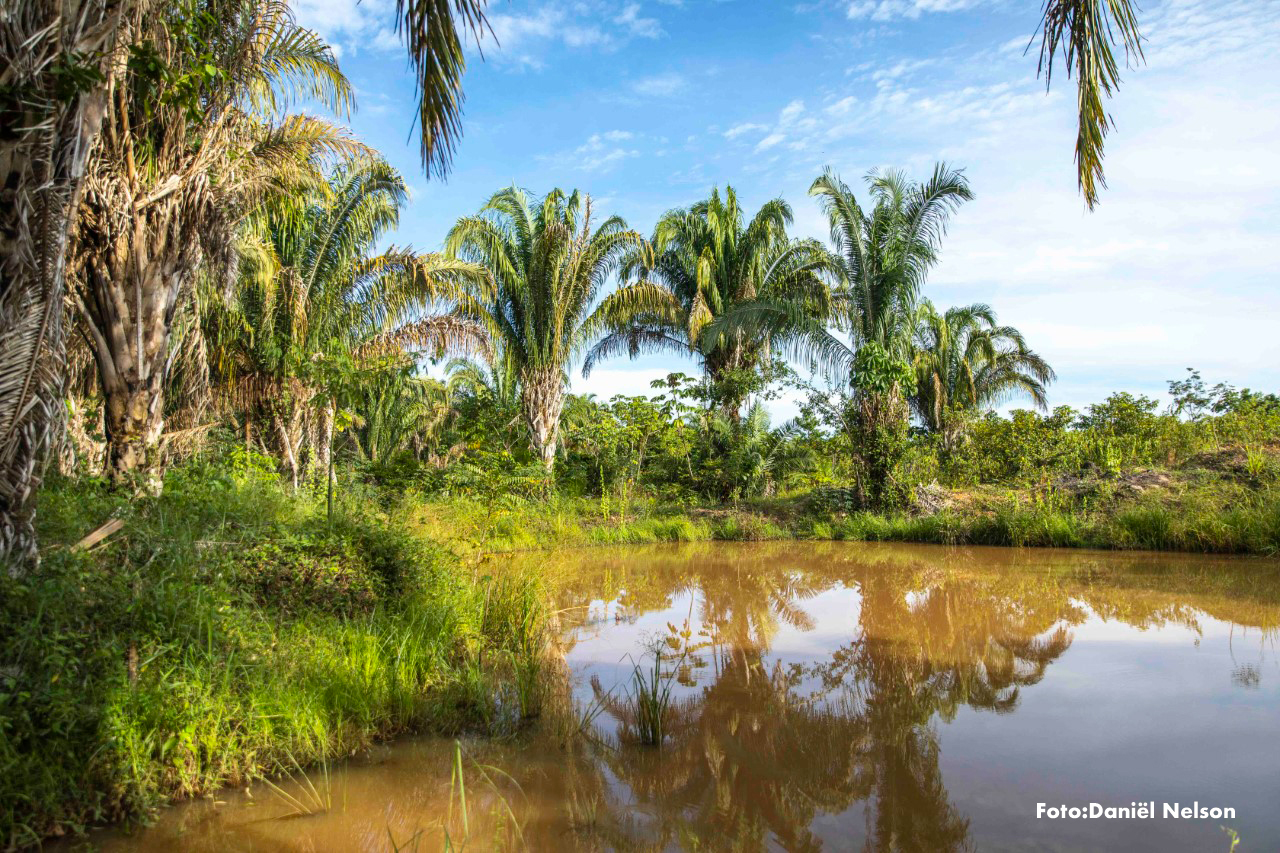 Photo: Yelsin Salgado / WCS Colombia
By the end of the first half of 2026, the seven PVS Energy Communities had improved the livelihoods of more than 1,200 people.
Ecopetrol’s Biodiversity and Ecosystem Services team notes that this may be one of the few documented initiatives in Colombia linking Energy Communities with the conservation of threatened species, as well as one of the first to document, through financial evidence, how participating communities manage their own funds.
The same organizations involved in these Energy Communities are also working to protect striped catfish, Caribbean manatees, and Magdalena River turtles in the Middle Magdalena region. Several of them also participate as local co-researchers in species monitoring.
The logic is straightforward: when solar energy improves the income of a fishing family—by helping preserve their catch, reduce losses, or make it easier to comply with seasonal fishing restrictions—conservation is no longer seen simply as a cost. It becomes part of the household’s long-term sustainability.
In this way, Energy Communities can function as a practical conservation incentive while advancing the energy transition locally through Nature-based Solutions, according to Ecopetrol.
The Challenge of Long-Term Sustainability
Ernesto Ome, Productive Initiatives Specialist at WCS Colombia, points to a crucial issue: each of the Proyecto Vida Silvestre Energy Communities has been formally recognized by Colombia’s Ministry of Mines and Energy as an Energy Community in Operation and included in the ministry’s official registry.
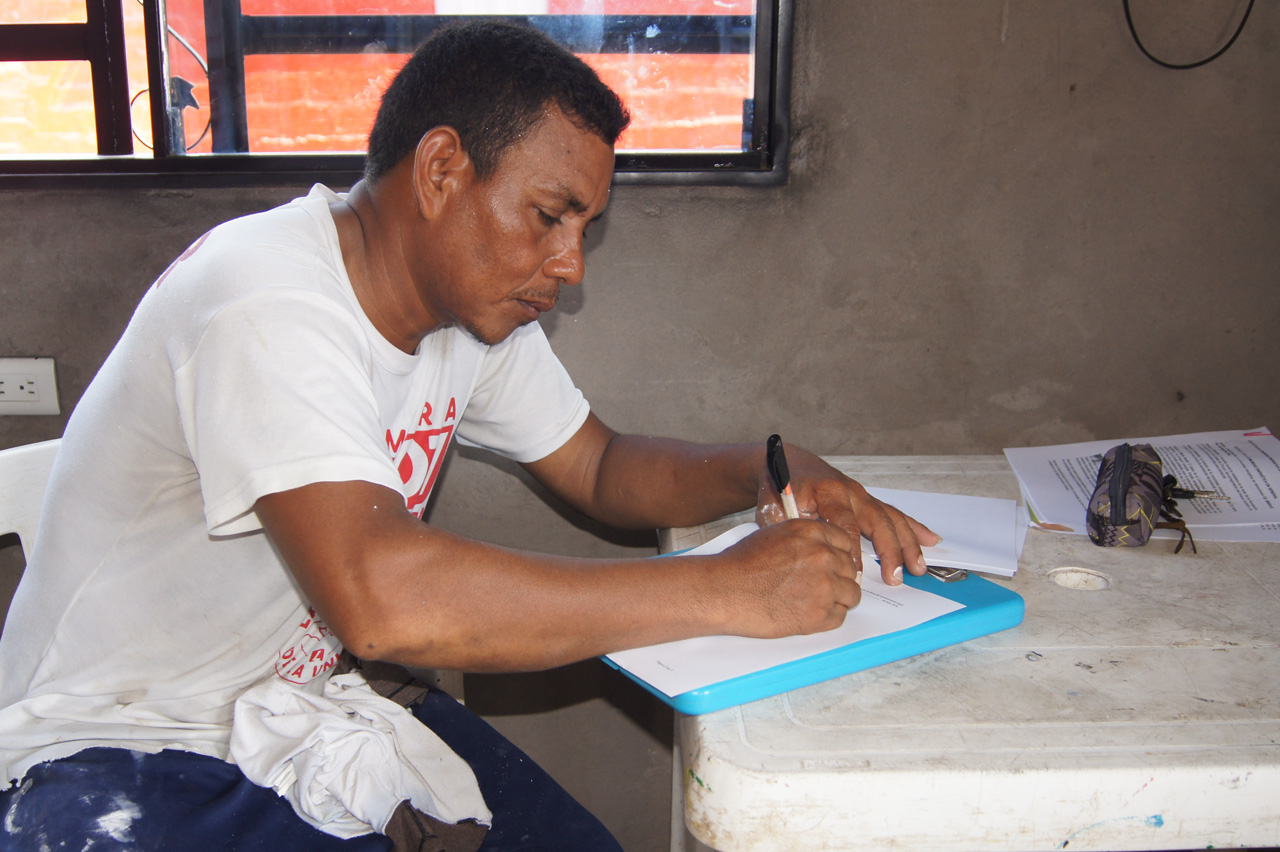 Photo: Yelsin Salgado / WCS Colombia
“This is not merely a symbolic procedure. It is formal recognition by the government that the installed energy solutions are functioning, and it gives communities access to specific legal and regulatory benefits,” Ome says.
But formal recognition also brings a new challenge. With the infrastructure already in place, Energy Community members and beneficiaries will need to learn how to manage it, expand it, and account for their own funds so the systems can continue operating after PVS eventually concludes its work in the region.
Now that PVS has entered its fourth phase, part of the project’s work will focus on helping the Energy Communities strengthen their financial management. This could include access to small loans for productive activities and improvements in accounting and financial records.
“A real test will come between the third and sixth years of operation, when batteries and equipment need to be replaced. That is when we will know whether the funds managed by the communities themselves, supplemented by microcredit and potentially public funding, will be enough to keep the systems operating,” Ome says.
According to Colombia’s Ministry of Mines and Energy, 18,460 community groups across the country had registered to become Energy Communities since 2023. Of these, the ministry prioritized 2,475 and began developing 1,000 projects.
It remains unclear how many will be operational by the end of 2026. But the Energy Communities supported by PVS in the Middle Magdalena region are already becoming a regional testing ground for the idea of “energy for conservation” and could offer a model for other landscapes, including Casanare, where Proyecto Vida Silvestre has recently expanded its work.
For now, as these initiatives continue to strengthen and work toward long-term sustainability, Sorani and her colleagues at Asomucare will keep selling ice produced with solar energy. In La Leonera and Felidia, visitors will continue taking hot showers heated by the same sun that sustains the surrounding forests.
Together, these Energy Communities are beginning to show that progress toward a more sustainable economy can be measured in more than kilowatts generated. It can also be measured in concrete opportunities for people building livelihoods in some of Colombia’s most challenging rural landscapes.
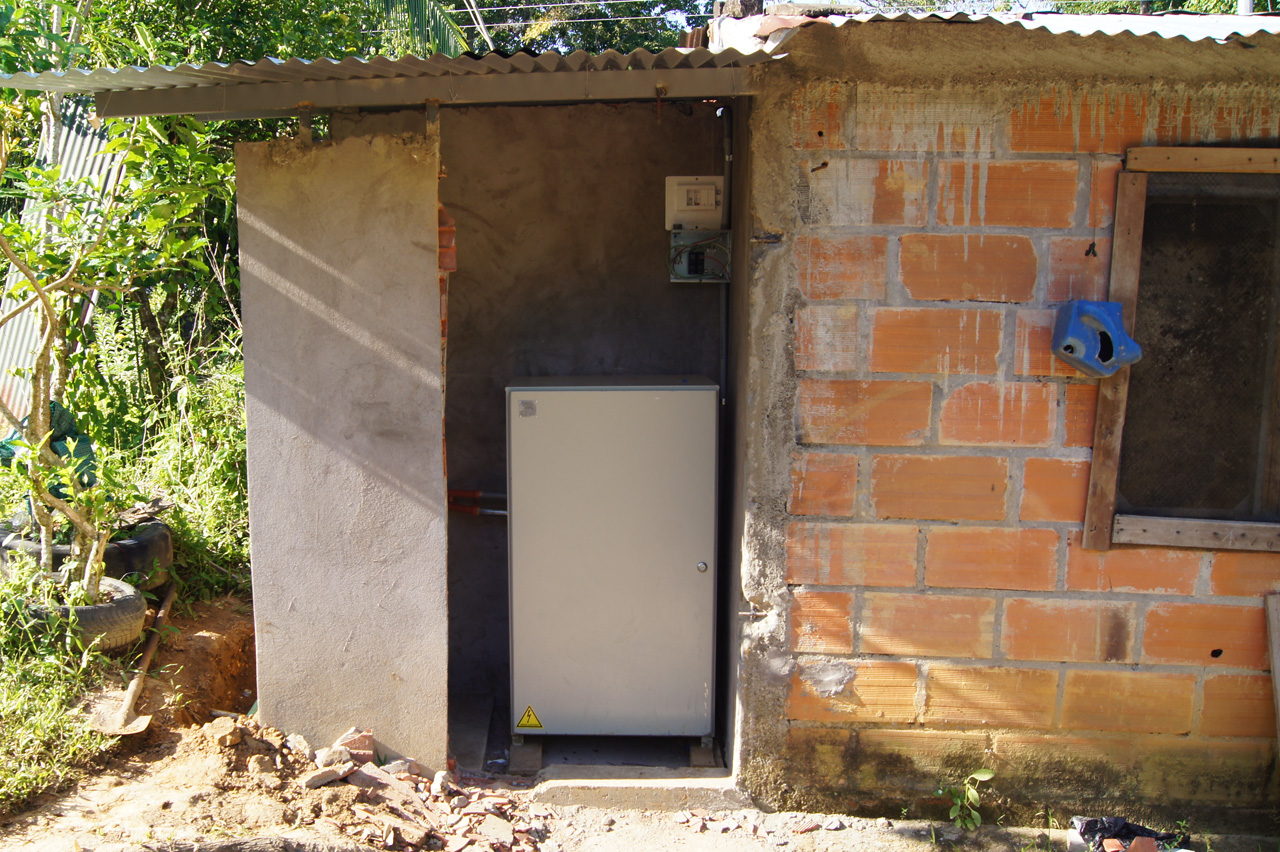 Photo: Yelsin Salgado / WCS Colombia
The *Proyecto Vida Silvestre (PVS), an initiative led by Ecopetrol, Fondo Acción, and WCS Colombia, works to conserve 15 species (12 wildlife and three plant species) across three Colombian landscapes: the Eastern Plains, the Middle Magdalena region, and the Andean-Amazonian foothills of Putumayo.