Andrés Suárez has turned his deep connection to Las Hermosas Canyon, in Colombia’s Tolima department, into a source of inspiration for himself and others, seeking to contribute to the conservation of its natural resources. Today, he restores forests and protects threatened tree species while teaching younger and current generations about the importance of caring for nature and the responsibility that comes with it.
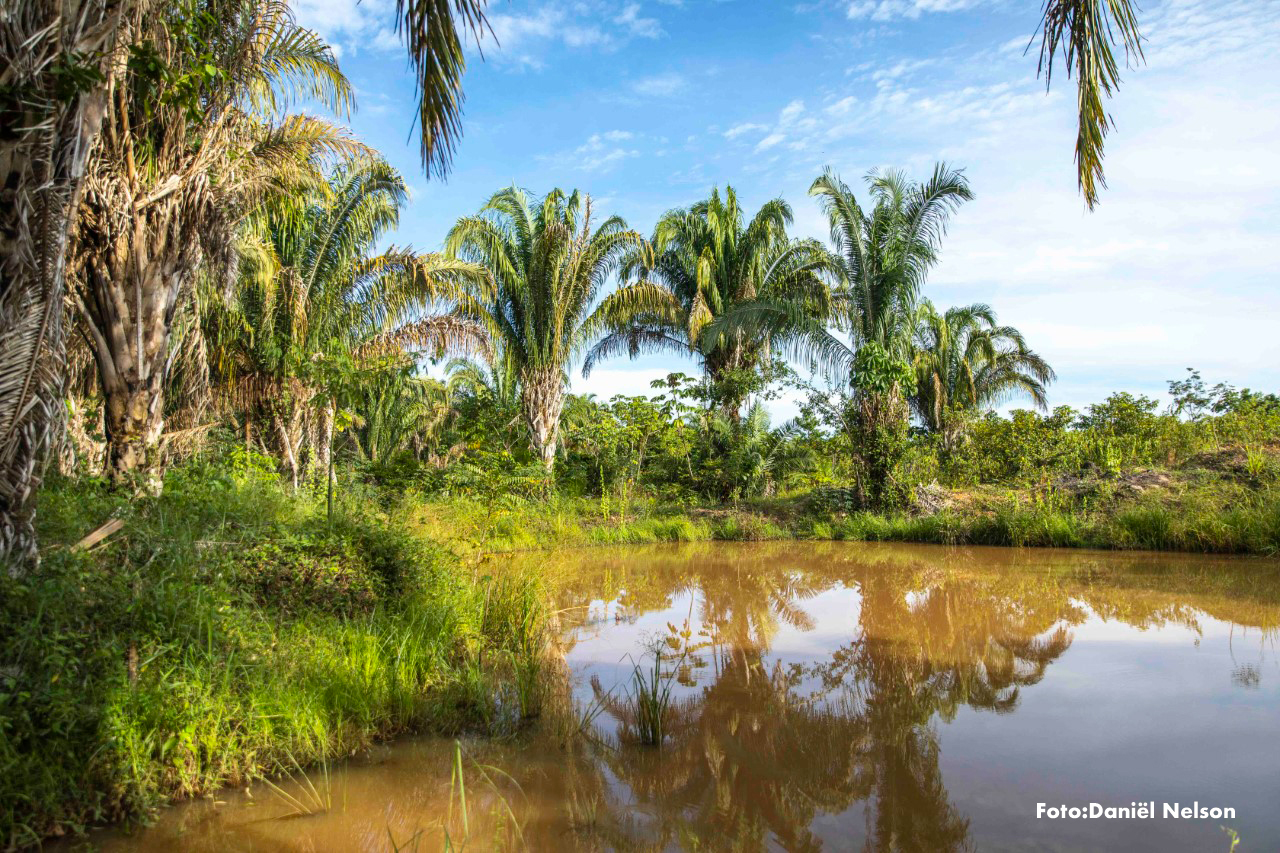 Photo: William Bravo / WCS Colombia
By: Jacobo Patiño Giraldo
“I remember that when I was a child, the river was much bigger. The water level was always high, and you couldn’t cross it. Now, during the dry season, you look at it and it’s barely a stream that you can cross almost anywhere.” This is how Andrés Suárez describes the Amoyá River, whose constant flow has carved the landscape over millions of years, shaping Las Hermosas Canyon.
For Andrés, a farmer by upbringing and profession, these slopes have been home throughout his 39 years of life. He has watched trees grow and fall, animals come and go, and the river rise and recede. This deep connection, together with the unique knowledge that comes from waking up each day surrounded by nature, is what drives him to restore forests and protect some of the area’s most threatened plant species.
Growing Up in the Countryside
Located in Colombia’s Central Andes, in the upper reaches of the municipality of Chaparral, Tolima, Las Hermosas Canyon is an important refuge for biodiversity. It is also home to Indigenous and rural families who, like Andrés, have historically relied on agriculture and livestock for their livelihoods.
Because of its strategic location, however, the area was also a corridor and focal point of Colombia’s armed conflict in years past. “There used to be a lot of illicit crops in this area. I remember entire mountainsides being cleared. Today, you can see that they have recovered somewhat, but they will never be the same,” Andrés says.
Growing up here was not easy for him. Although he spent his early childhood with his family in relative peace, his life changed forever when his mother died when he was 11. “I think everything changed from that point on. Even though my father always tried to support me, that moment marked a before and after for both of us.”
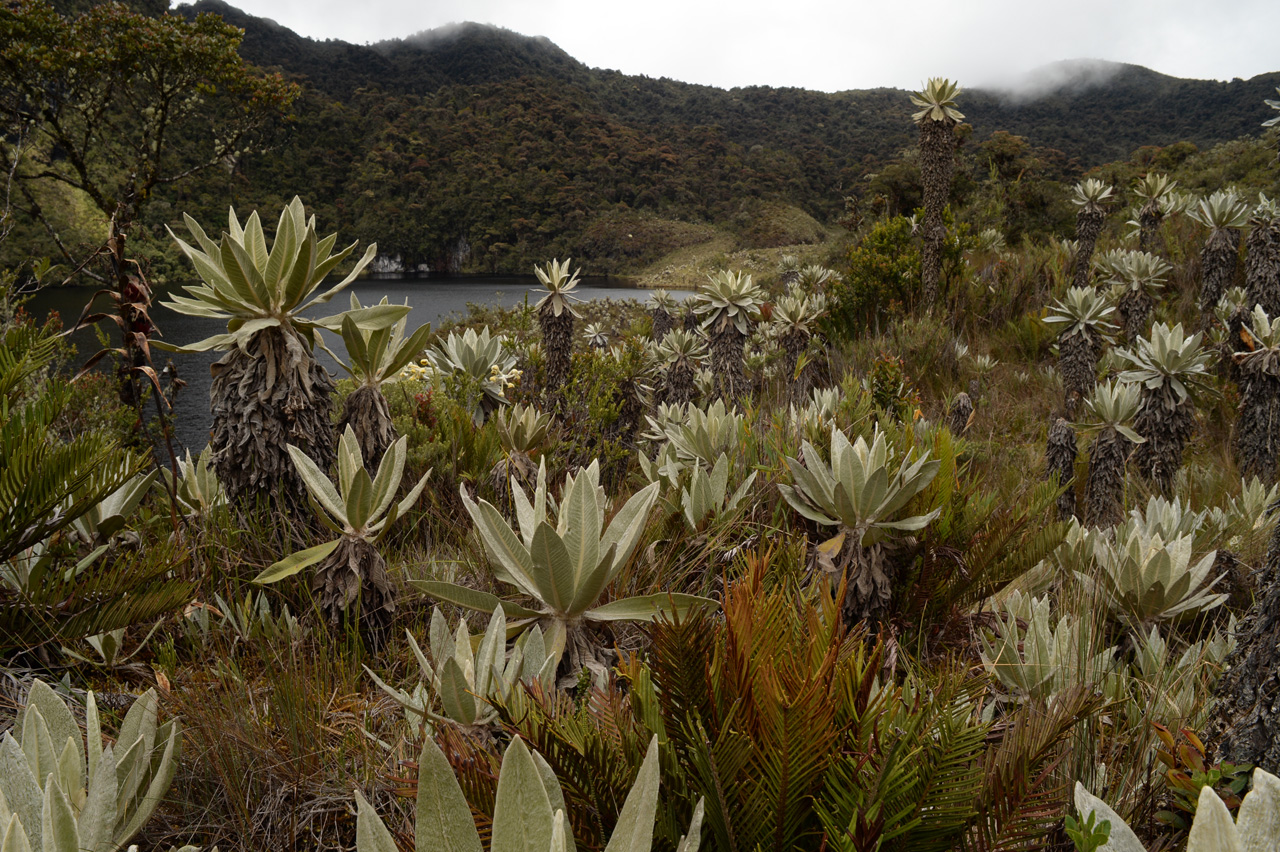 Photo: "El Pato" Salcedo / WCS Colombia
Losing such an important person at a formative stage of his life left him deeply vulnerable, something he recalls with great sadness and a trembling voice. “As a child, I felt a huge emptiness, and I had to deal with all kinds of things: bad influences, addiction… My mother’s death was an extremely difficult experience that affected us deeply, and those memories stay with you forever,” he says.
He says that his connection to spirituality helped him move forward and remains fundamental to how he lives and sees the world today. “It has helped me see things differently, build a home and a family, work to help others, and not hold grudges.”
Restoration as an Alternative
Although Andrés has spent much of his life raising livestock, farming, and working as a day laborer, his love of nature has also led him to take part in a range of wildlife conservation activities—from monitoring Andean bears alongside Colombia’s National Natural Parks to maintaining a temporary nursery for the Saldaña River - A basin of Life alliance.*
“With this nursery, I try to help threatened species such as black cedar, wax palm, and pink cedar. The plants are used to restore forests or parts of pastures, depending on the agreements reached with landowners,” he explains. “It involves collecting seeds, planting them, transferring the seedlings into bags, watering them and, once they are ready, taking them to the places where they will be planted, hoping they will grow into trees.”
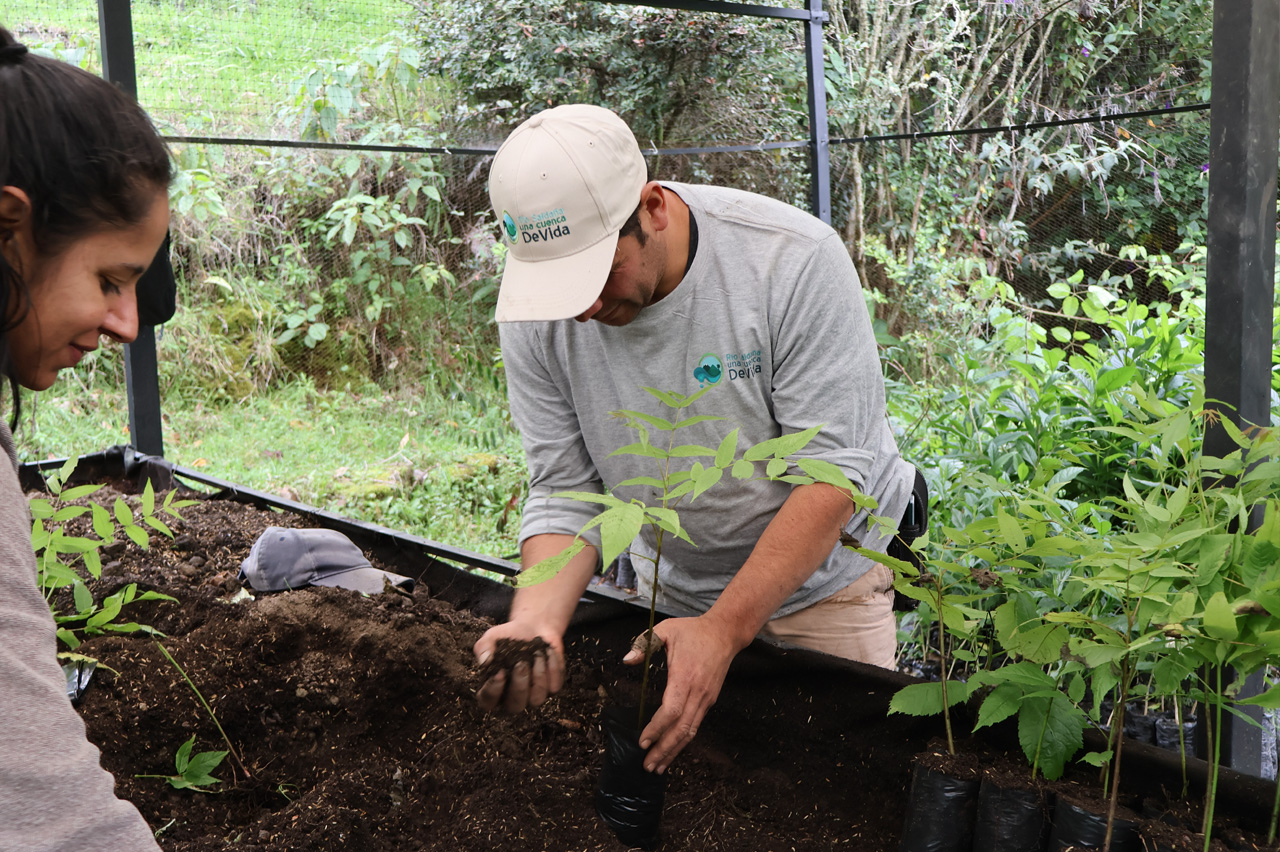 Photo: William Bravo / WCS Colombia
It is not easy, particularly because each species has its own characteristics and requires constant care to survive. “It’s always difficult because you think that if you collect a lot of seeds, they will all germinate, but then you discover that they don’t. Out of 700 seeds, you might end up with only 20 or 30 plants. It takes a lot of care,” he emphasizes.
Over the past three years, Andrés has also transported plants and materials and contributed his local knowledge to identifying and mapping trees that face some degree of threat and still survive in the area. This work is part of the important support that the Franklinia Foundation has provided to the Río Saldaña – Una Cuenca de Vida alliance.
“He is someone who keeps his word and is very responsible. He always tries to do the best he can, and he knows the region and its plants extremely well. He has also continued to build his skills and learns very quickly. Having his support has been key,” says William Bravo, a WCS biologist and restoration specialist who has worked with Andrés during this time.
A Gift We Must Protect
For Andrés, his relationship with nature goes far beyond his work. To him, plants, animals, mountains, and waterways together form a vast paradise that provides everything we need to survive, yet people have forgotten their responsibility to protect it. “You can go out into the countryside, listen to the birds singing, see the waterfalls and rivers. All of that is there for us to enjoy. But it seems as though we have already decided to exploit it, to destroy it,” he says.
For this same reason, Andrés is instilling in his two children, 13-year-old Natalia and 4-year-old Andrés, the same commitment he has to protecting biodiversity. “You try to teach them that responsibility: if they see a bird, they shouldn’t bother it, and they shouldn’t harm trees, because they have their own way of feeling,” he adds.
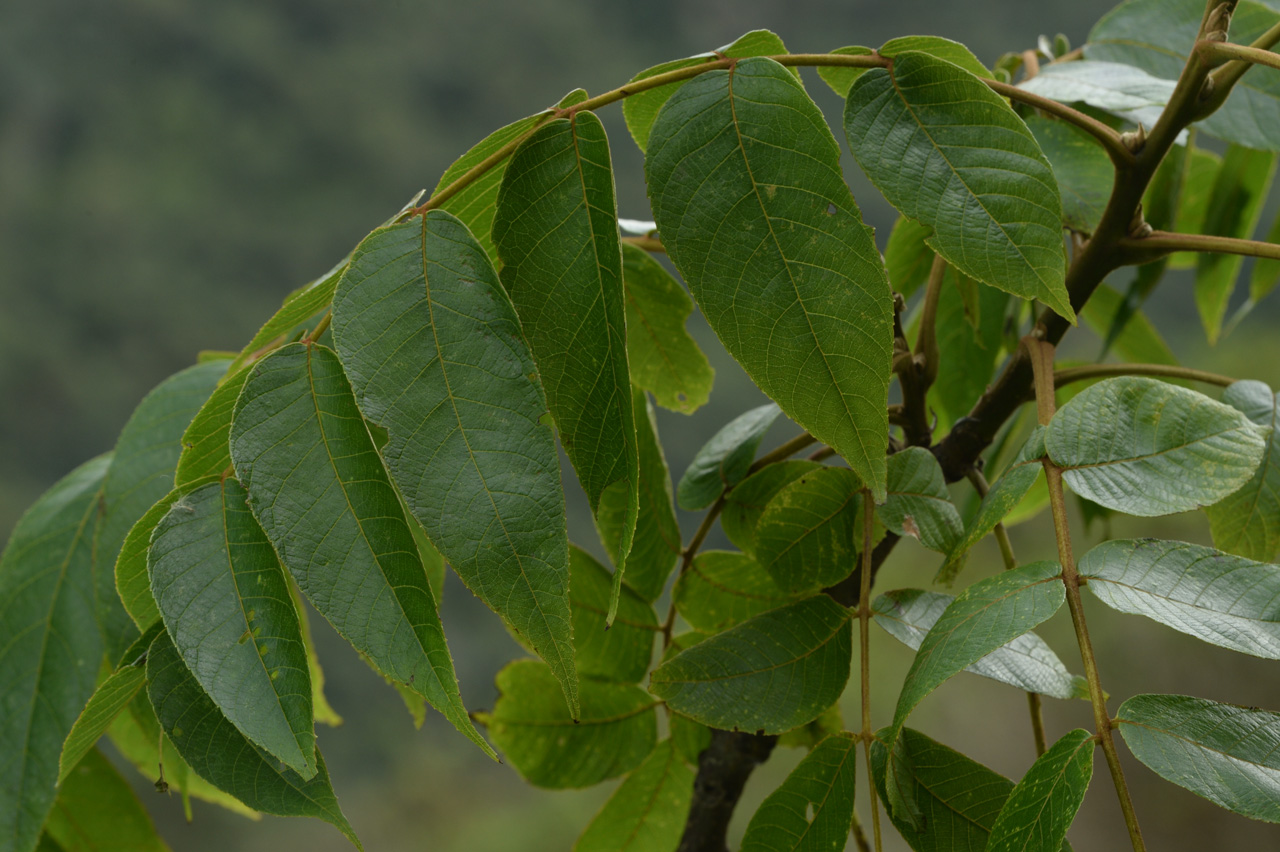 Photo: "El Pato" Salcedo / WCS Colombia
At the same time, he believes that his neighbors in the community of Alemania, in the rural district of Las Hermosas, still need greater awareness of the importance of maintaining natural ecosystems. “There are only a few of us here who want to do this kind of work. Many people don’t agree, and there have been problems because they don’t understand that if we conserve, we will leave something for the future, for our children. Some mistakenly believe that if they fence off part of their farm for conservation, the government will eventually take that land away from them, or that they won’t receive any benefit from doing so.”
Despite these challenges, Andrés recognizes that the landscape has changed. Although the Amoyá River carries less water than it once did, he has also watched previously bare slopes gradually regain their green cover. For Andrés, this may be a step toward a more hopeful future.
“Some damage has already been done, but if we all truly committed ourselves to the task, we could repair a great deal of it. God has given us the ability to enjoy this paradise, so we have to take care of all the good things we have been given.”
*Saldaña River - A basin of Life is a public-private partnership between Colombia’s National Natural Parks, Cortolima, Fundación Grupo Argos, Concretos Argos, and WCS, with support from the Franklinia Foundation and APC Colombia.