 Photo: Germán Bernal / WCS Colombia
By Jacobo Patiño
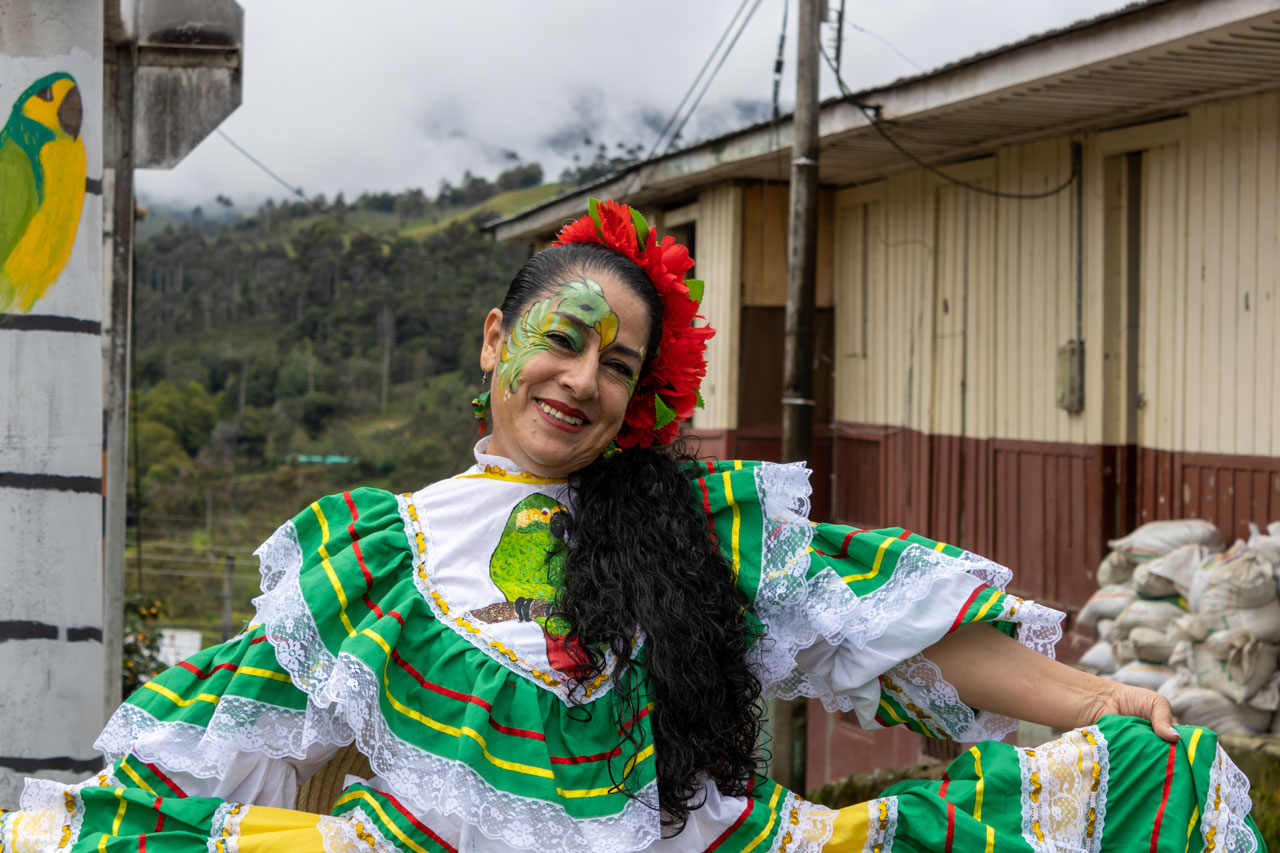
Rosalba Céspedes still remembers the day a Yellow-eared Parrot —a colorful bird with vivid green plumage, long wings, and a distinctive yellow stripe across its head— was spotted somewhere in the municipality of Roncesvalles, in the department of Tolima.
It was 1999, Rosalba recalls. She explains that the sighting became a major local event, attracting the attention of residents and several biologists, as the parrot was considered almost extinct at the time.
The sighting became a revelation, inspiring many people to renew efforts to bring the species back from the brink and, in the process, marking a turning point in the history of the community.
“That unusual flight over the town eventually led to the creation of the Yellow-eared Parrot and Wax Palm Festival,” Rosalba says, recalling those moments.
The festival was born out of a conservation project and gradually gained prominence, to the point that the Municipal Council officially established it as an annual local celebration to promote community identity and environmental conservation. This year's celebration marked the festival's 18th edition.
Parades and Discussion Sessions
The Yellow-eared Parrot often flies high, its festival was just as lively, with celebrations extending through Sunday.
“We were looking forward to two wonderful days,” said Carlos Aguirre, a music teacher and member of the organizing committee. The festivities began early on Saturday with a birdwatching outing to spot the parrot from Mirador de las Palmas, located in the rural district of Cucuanita.
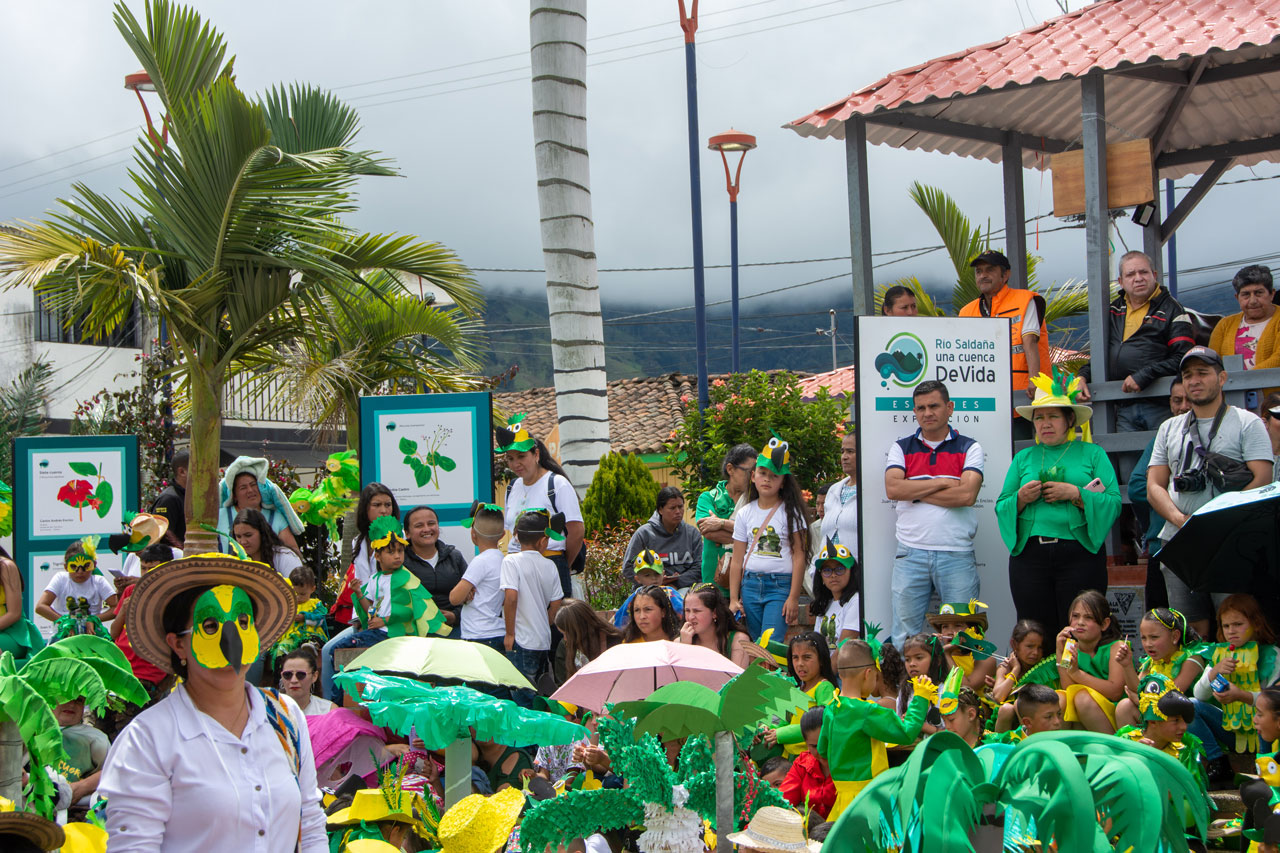 Photo: Germán Bernal / WCS Colombia
Later, the town's streets filled with color during a grand parade of floats and groups celebrating the wax palm. The procession started in the San José neighborhood and end at the main square.
The day's activities also included a nature photography contest and cultural performances by participating institutions. The festival's official opening ceremony was scheduled for 7 p.m., followed by a neon party for younger participants.
On Sunday, the second and final day of the celebration, activities continued with a farmers' and local entrepreneurs' market, a drawing contest, and cultural performances. The program also included an awards ceremony and a closing community gathering in the main square.
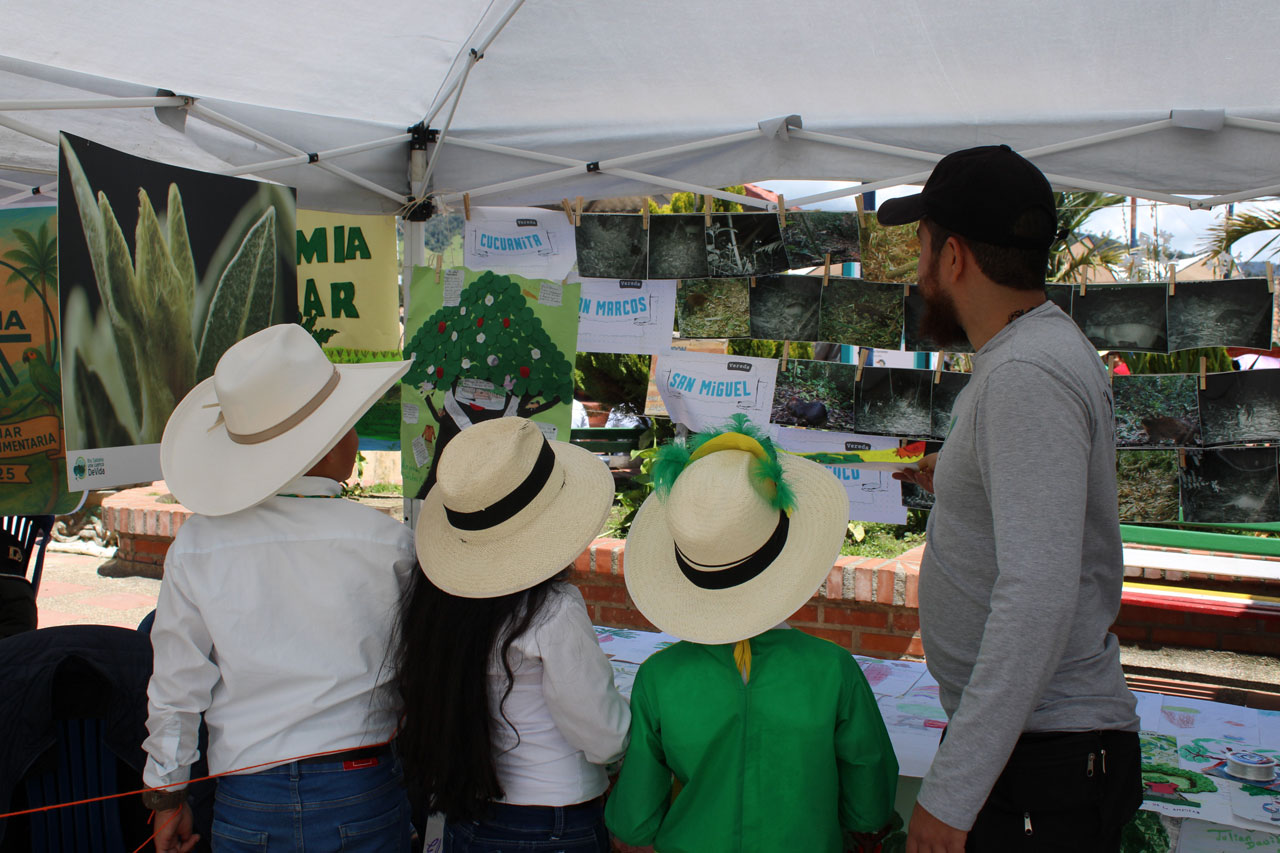 Photo: Germán Bernal / WCS Colombia
One of the central events was a discussion session titled “Our Voices: 18 Years of the Festival,” an opportunity to celebrate the journey of this initiative and its importance to the municipality's identity.
Carlos considered the discussion an opportunity to reflect on how, although the festival began at a dramatic moment when the species was on the verge of disappearing, it has gradually become both a witness to and a driving force behind its recovery. Today, some population assessments endorsed by BirdLife International suggest that the species may number close to 3,000 individuals. The IUCN, which once classified it as Critically Endangered, now lists it as Vulnerable.
Restoration and The Creation of Private Reserves
This recovery has not been easy or spontaneous. The Yellow-eared Parrot (Ognorhynchus icterotis) is endemic to Colombia and inhabits high-Andean forests, including areas in the department of Meta. The species has benefited from various public and private conservation efforts. These initiatives have focused not only on protecting individual birds but also on safeguarding wax palms (Ceroxylon quindiuense), on which the parrots depend for nesting, resting, and feeding. The wax palm is listed as Critically Endangered in Colombia's Red Book of Plants.
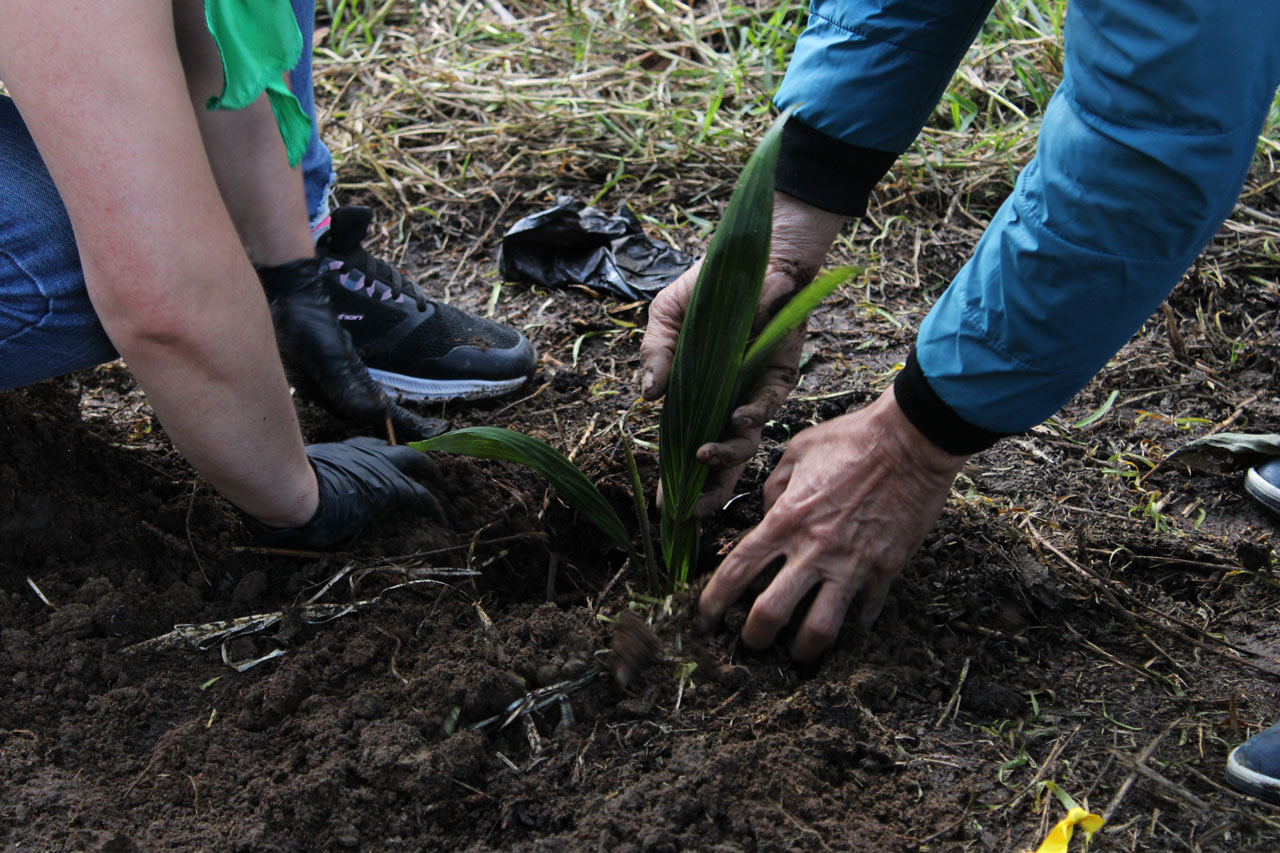 Photo: Germán Bernal / WCS Colombia
One example is the work led by the Río Saldaña: A Basin of Life Alliance, which has contributed to planting threatened plant species in cloud forests.
“The Alliance has a very close relationship with biodiversity conservation. Building strong relationships with schools and rural residents, encouraging the latter to participate in voluntary conservation agreements, and providing support for the creation of private reserves on properties where these birds are found —particularly in Roncesvalles— are all helping protect the species,” says William Bravo, a biologist and restoration specialist at WCS.
Bravo explains that, with support from the Franklinia Foundation —which backs initiatives focused on the conservation, protection, and restoration of threatened tree species— the Alliance has established, among other initiatives, an Adopt a Tree program in five schools in Roncesvalles, as well as two more in Amoyá and Siquila, a rural district of Planadas.
As part of the program, trees have been distributed among different classes at these schools for students to adopt. The species include cedars, black cedars, and palms, among others. Protective enclosures have also been built around each tree. Students have monitored their growth, studied their physical characteristics, and collected data on each species.
During the festival, some of these children were expected to display photographs and drawings of their adopted trees at a stand set up in the town center.
Ahead of the celebration, Bravo explained how the children would present their trees: “The children will exhibit the tree they like the most. What makes this particularly special is that they have given their trees names and drawn eyes, capes, and branches that become hands, along with other superpowers. They have turned them into superheroes,” William Bravo explains.
Planting trees at these schools has also brought additional benefits to the educational institutions, such as improvements to sports facilities and electrical services. Bird guides and binoculars for birdwatching have also been provided, depending on the needs and wishes of students, teachers, and parents.
Conservation Agreements and The Creation of Private Reserves
In addition, Río Saldaña: A Basin of Life has planted 1,953 wax palms between 2023 and 2026. This achievement has been made possible thanks to the invaluable support of local communities, which have taken part in planting activities and committed to caring for and monitoring the trees.
Another important effort has involved rescuing 1,132 wax palm seedlings. This work entails transferring them to a nursery, where they are cared for until they reach approximately 45 centimeters in height, at which point they are replanted in carefully selected locations.
Of course, ecological restoration is not simply a matter of planting palms. It requires finding suitable sites with the right levels of shade, moisture, and protection. A wax palm can take between 40 and 50 years to reach maturity. This helps explain why such work requires patience, careful planning, and a long-term vision.
For this reason, Bravo highlights the guidance the Alliance has provided to landowners who protect wax palms on their properties and are working toward recognition as Civil Society Nature Reserves. Two farms in Roncesvalles —Ecopalmares and El Reflejo— are currently completing the final steps in the process of obtaining this designation. One of them is located just a few minutes from the town center.
In addition, a conservation agreement has been signed with another property, Buenos Aires, located in the rural district of San Marcos, which protects an important population of wax palms.
Hope on The Horizon
Although he is a music teacher rather than an ecology expert, Carlos Aguirre, like many other residents of Roncesvalles, is aware that, while more parrots can now be seen, many challenges remain.
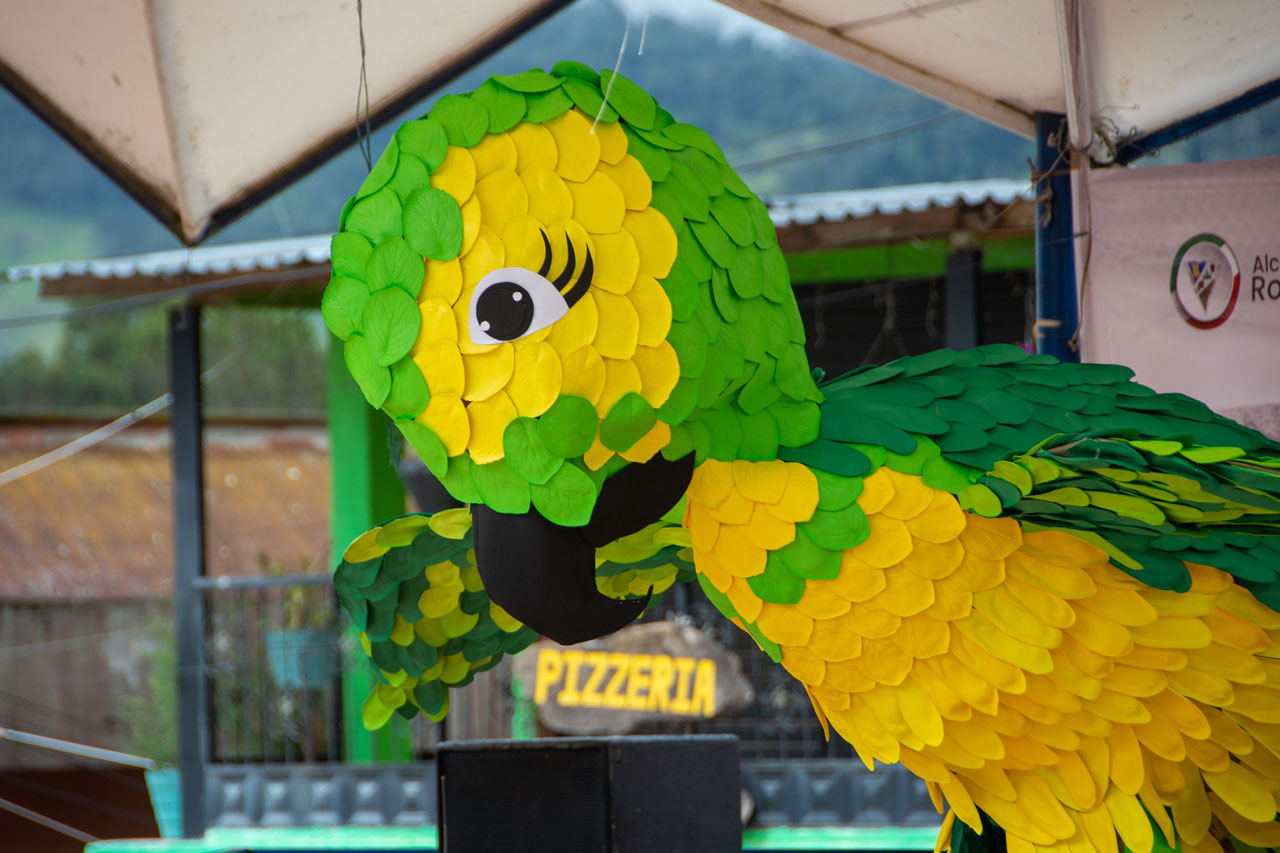 Photo: Germán Bernal / WCS Colombia
Despite the clear interest shown by public and private organizations in working with rural communities and fostering greater environmental awareness, deforestation continues in some areas. More protected areas are therefore needed in places where wax palms grow and where the expansion of agricultural crops and livestock farming has yet to be adequately controlled.
María José Sanín, a biologist and palm researcher with a PhD, at the Montgomery Botanical Center in Florida, USA, explains that wax palms need forest conditions to regenerate. They are not plants adapted to open pastures. A healthy population requires continuous cloud forest cover.
She points out that the recruitment of new wax palms remains limited because they need time and suitable ecological conditions to grow. As a result, the loss of individual trees affects the renewal of their populations. She also emphasizes that several areas designated for conservation are not suitable for this purpose.
“Some of the areas selected for protection are still used for dairy farming. This is incompatible with the regeneration of wax palm forests, at least in Roncesvalles,” the expert explains.
The celebration thus took place against a backdrop of ongoing challenges that require stronger regional commitments to environmental conservation.
As the festival unfolded in Roncesvalles, perhaps in a nearby forest, an olive-green bird was searching for a perch at the edge of a hole in the trunk of a dead palm. There, it may have found a small head of the same color as its own, crowned with a halo of yellow feathers extending down to its ears. An adult parrot and its chick may have met in their nest, a place where, despite the risks, hope for the future of this emblematic species continues to take flight.
*Saldaña River: A Basin of Life is a public-private alliance between Colombia's National Natural Parks Authority (Parques Nacionales Naturales de Colombia), CORTOLIMA, Fundación Grupo Argos, Concretos Argos, and WCS, with support from the Franklinia Foundation and APC Colombia.